
Why we’re switching to IR heating for wafer processing
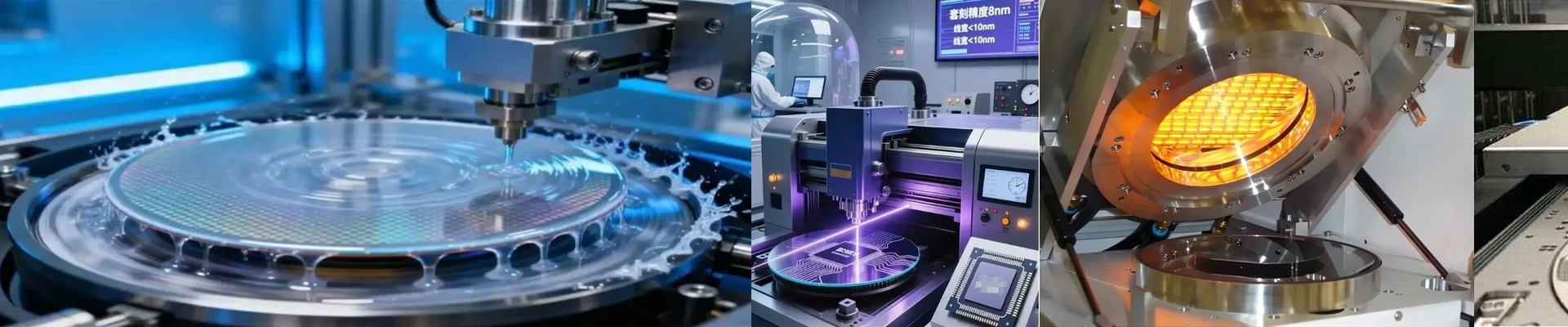
Everyone is talking about carbon neutrality right now, and in the semiconductor world, that means we have to rethink how we heat things. The old way—using those massive resistive furnaces—is basically like heating your entire house just to warm up a single slice of pizza. It’s a waste. That’s why we’re moving toward infrared (IR) heating. Instead of warming up the whole chamber, we just point the heat exactly where it needs to go: the wafer.
Getting the heat right
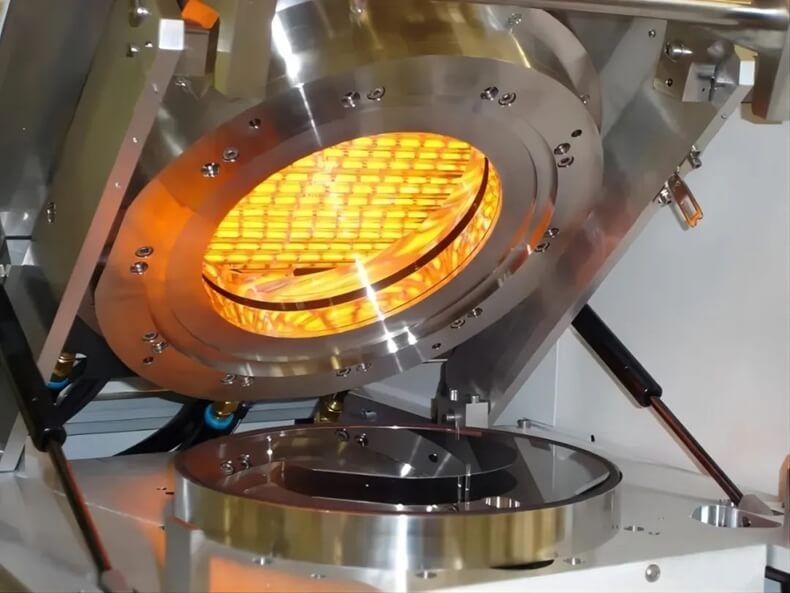
Here is how it actually works. We use high-wattage quartz lamps that blast shortwave radiation straight into the substrate. It’s incredibly fast. We’re talking about ramping up temperatures in a matter of seconds, which means the tool isn’t sucking power for nearly as long. But speed is a double-edged sword. If you aren’t watching the temperature every millisecond, you’ll overshoot your target. And in this business, overshooting means you just ruined a whole batch of wafers. To stop that from happening, we rely on non-contact pyrometers. They act like a constant, high-speed eye on the surface. If the sensor lags, you’re in trouble.
The messy reality of hardware
You can’t just throw a lamp into a machine and call it a day. The distance between the lamp and the wafer—the focal length—is everything. If you’re off by a bit, your heat distribution gets wonky, and you end up with “hot spots” that kill your yield. We even use special coatings on the lamps to dial in the exact spectrum we need. And then there’s the heat problem. These lamps getinsanely hotat the ends. If your cooling manifolds aren’t spec’d correctly, or if your water flow dips for a second, the sockets will literally burn out. It’s a constant balancing act between pushing for performance and making sure the hardware doesn’t melt.
Actually hitting those “Green” goals
When people talk about “Green Factories,” it usually sounds like marketing fluff. But here, the math is pretty simple. Traditional ovens are energy hogs because they have to stay hot for hours, even when they aren’t doing anything. IR systems are different. They snap on and off almost instantly. Less idle time means lower kWh per wafer. It’s just common sense—stop heating the air around the wafer and start heating the wafer itself. You get your parts through the line faster, and the power bill actually goes down.