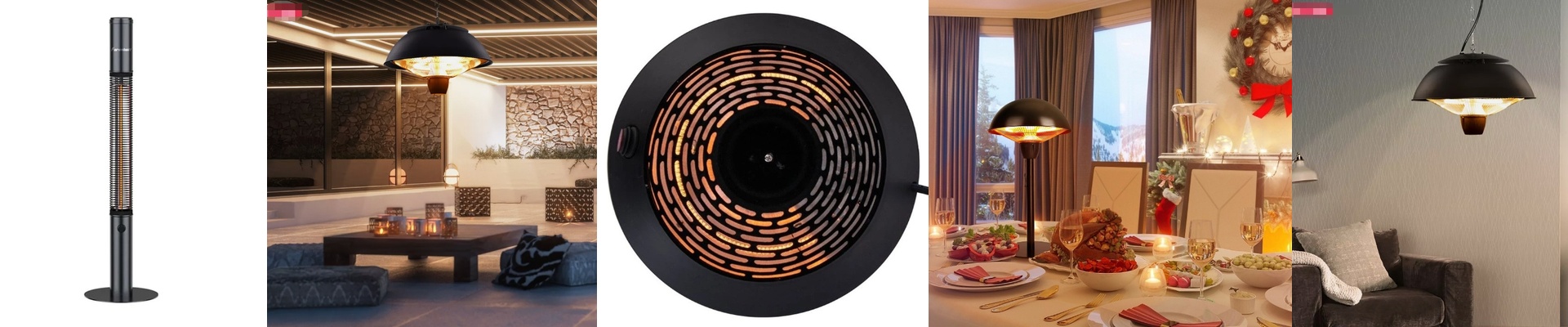
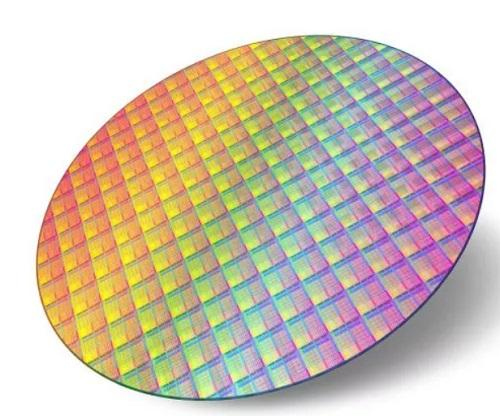
On the fab floor, you know the drill. A ±0.5°C drift during the photoresist bake is enough to scrap a 500-wafer lot. You need heat that lands exactly where the process card calls for it, lot after lot. The NIR dryer bulb we’ve been running is built around that reality—stable, repeatable thermal performance, day in and day out, even in Class 1–100 cleanrooms. What matters under the hood It pairs a near-infrared (NIR) emitter with a quartz envelope, tuned for snap response and tight temperature control. In the 200–400°C window, it keeps wafer-level uniformity within ±0.1°C across the bake zone, so your critical dimensions stay locked. Particle generation stays at zero thanks to a low-outgassing design and a clean-burn geometry—critical for protecting yield in soft bake and hard bake. The 1200 W output fits into standard dryer fixtures, and the spectral profile is matched to photoresist thermal budgets, so you don’t overshoot and risk over-exposure. Why it holds up in lithography and packaging In lithography and packaging lines, the bulb keeps cycle times predictable. Soft bakes hit setpoint in seconds, and hard bakes deliver consistent glass transition without overshoot—fewer reworks, cleaner splits. Energy use drops because the NIR profile couples straight into the wafer, not the chamber walls. Reliability comes in at 5,000+ hours with <5% output drift, which means fewer lamp swaps and fewer line interruptions. In high-volume runs, that translates to stable critical dimension control and a lower cost per wafer. Here is what to watch for on install Match the reflector geometry and the fixture thermal mass; mismatched reflectors will create hot spots. Power the bulb with a regulated driver to hold spectral stability, and plan for EMI shielding if you’re running near sensitive exposure tools. Schedule calibration checks to keep uniformity in spec, and verify cleanroom airflow so you don’t fight convective cooling gradients. When the bulb and the tool are matched, the process lands where you intend—no more chasing temperature excursions between lots.