
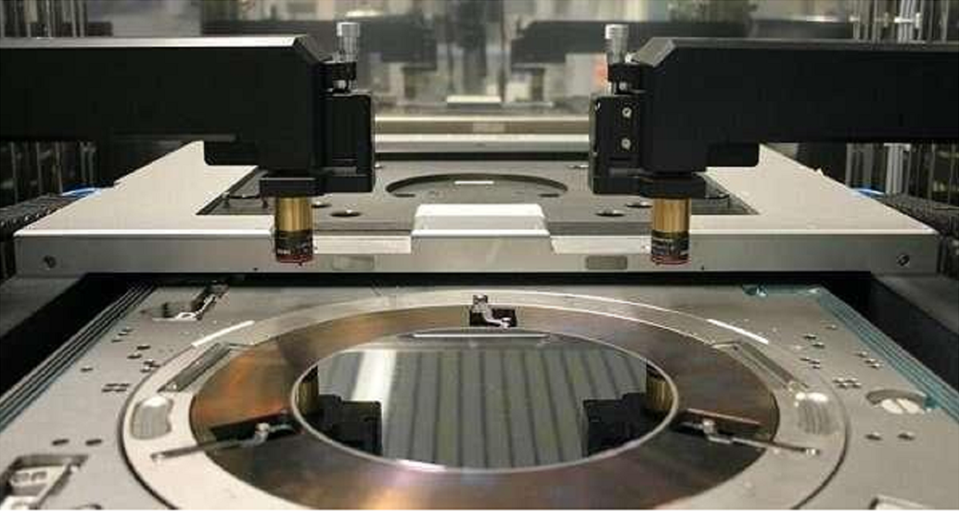
On the lithography floor, you learn fast that a soft bake drifting by half a degree shifts the CD budget, and a hard bake that isn’t uniform across the wafer will bring scumming and footing. When the line is chasing seconds per lot, waiting around for a lamp swap just isn’t an option.
What matters, technically
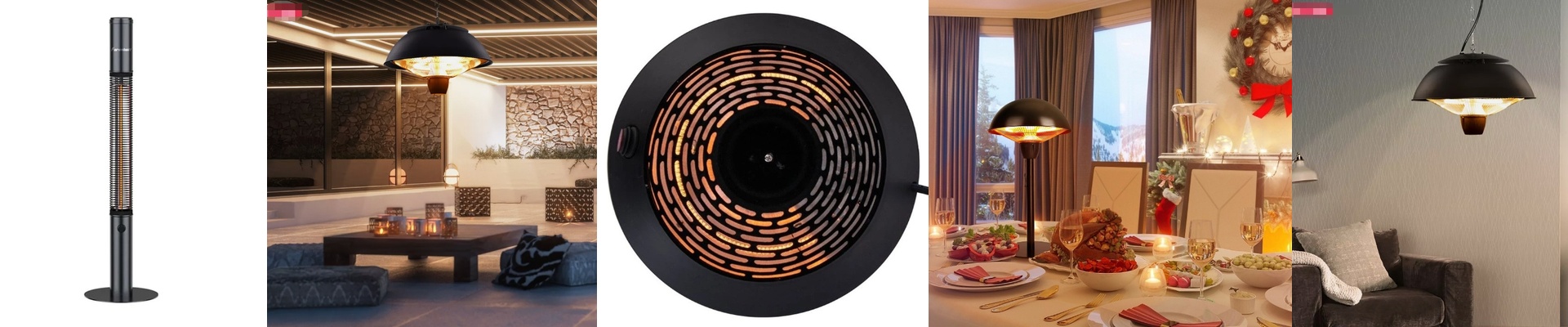
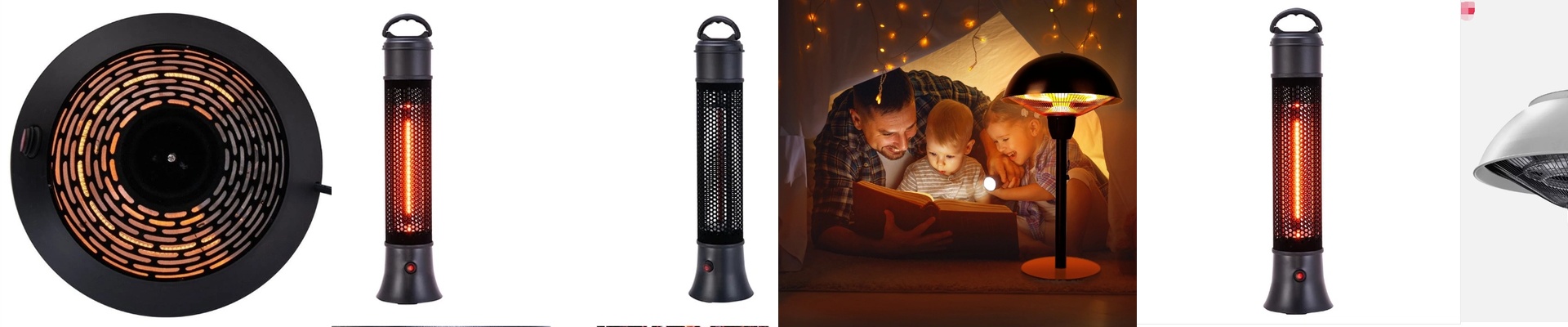
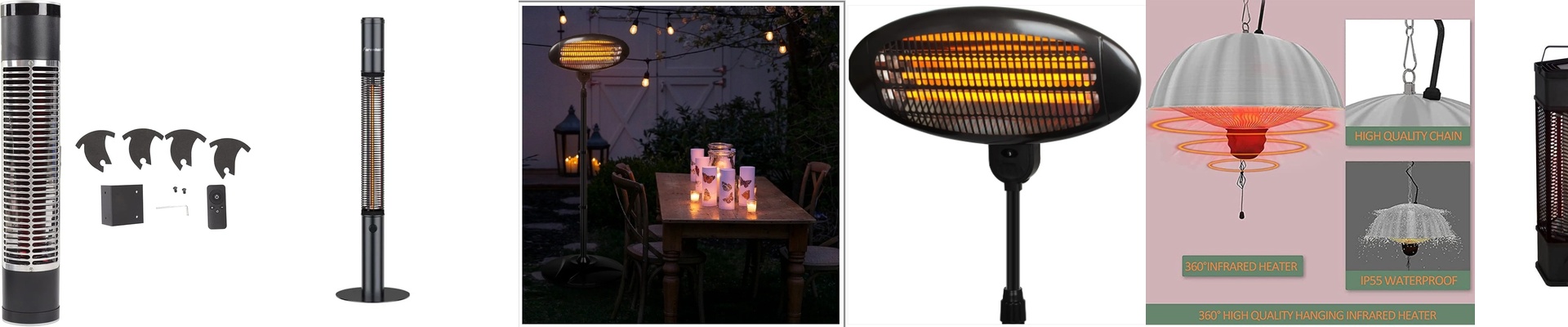
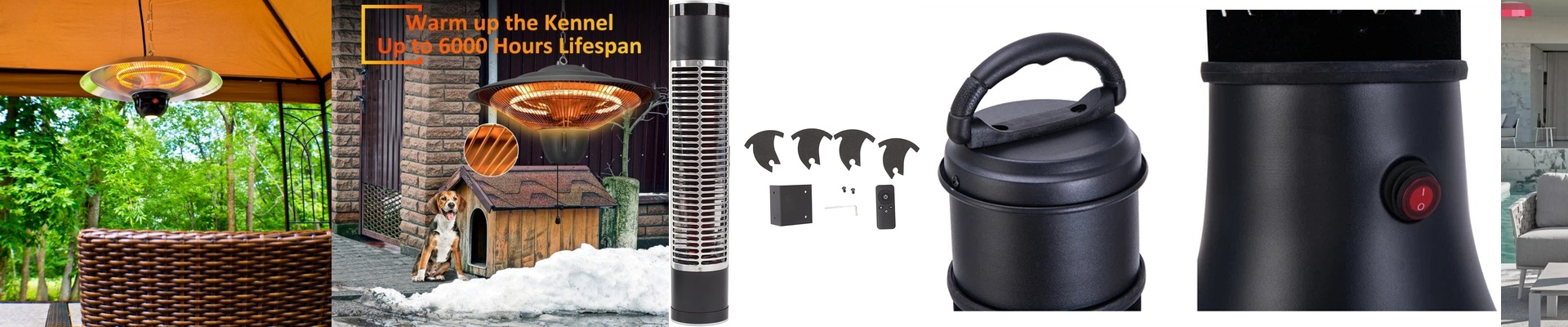
We built the fast-ship wafer heater lamp around a short-wave NIR emitter in a quartz envelope, so the heat hits the wafer directly and responds quickly. Across the process window, wafer-level uniformity stays within ±0.1°C, and photoresist bake temperature repeatability holds steady lot after lot. The assembly is rated for cleanroom Class 1–100, and the materials and seals were chosen to keep particle generation at zero so you don’t contaminate the track or coater. Output is calibrated for consistent irradiance, which keeps the thermal budget under control even after a lamp replacement.
Why it holds up in real photoresist processing
The bake step defines the solvent removal profile and sets the resist profile the exposure tool has to print. Tight uniformity protects linewidth control; repeatable temperature protects yield. With this lamp, you get a faster ramp to setpoint, shorter bake times without overshoot, and fewer rejects from edge-to-center bias. The fast-ship availability cuts unplanned downtime, and the low-particle design keeps the coater bowl and wafer surface clean, so preventive maintenance doesn’t stack up. Energy use drops because heat is focused on the wafer, not wasted heating up the chamber.
The details that make it work
Installation hinges on matching the tool interface—voltage, connector, and mounting datum—so make sure you’re ordering the exact lamp variant for your track model. The lamp performs best when the reflector path is clean and aligned; even minor fouling will move the hot zone.**Plan replacements around your preventive schedule, not emergencies.**That’s how you keep the tightest thermal control and stretch lamp life.