
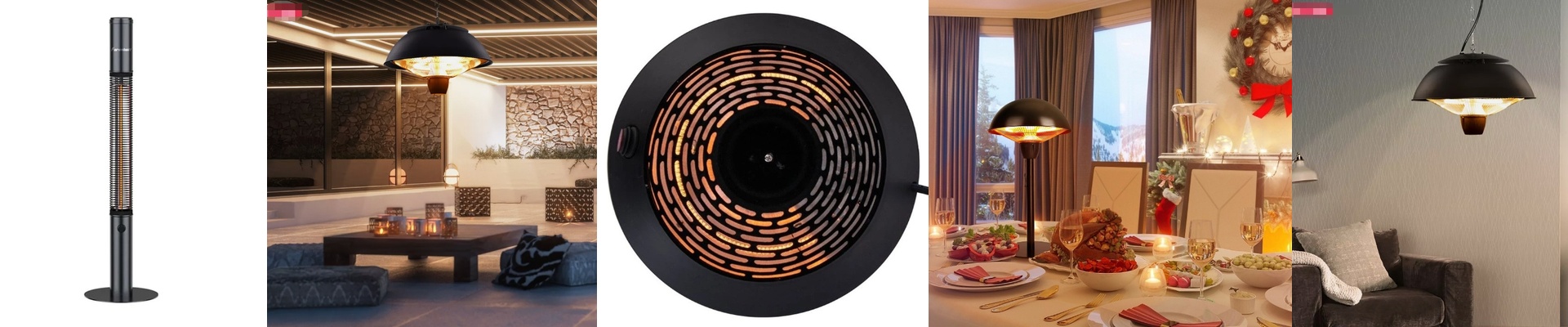
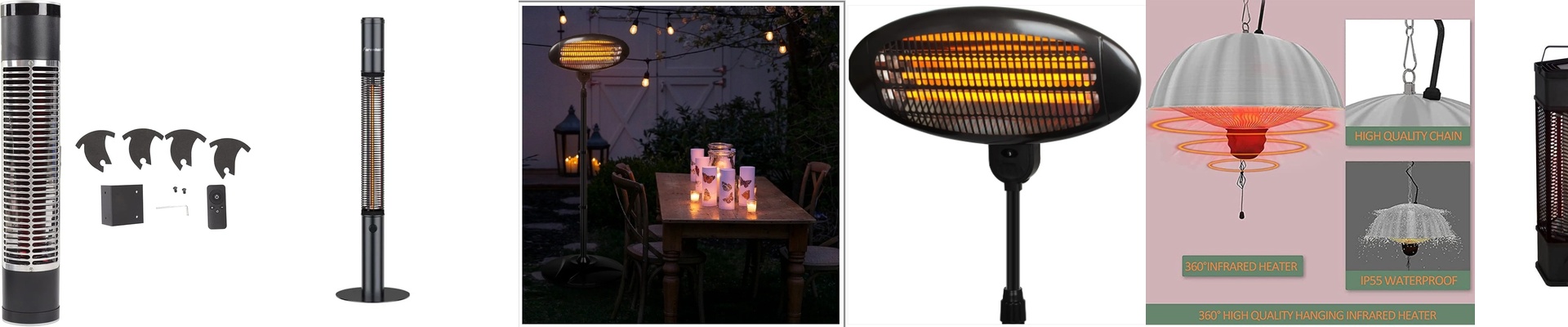
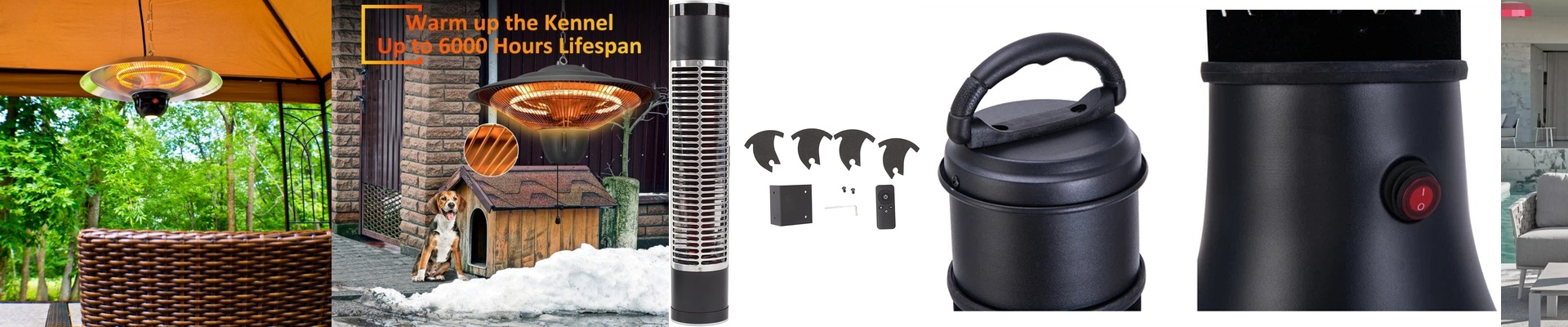
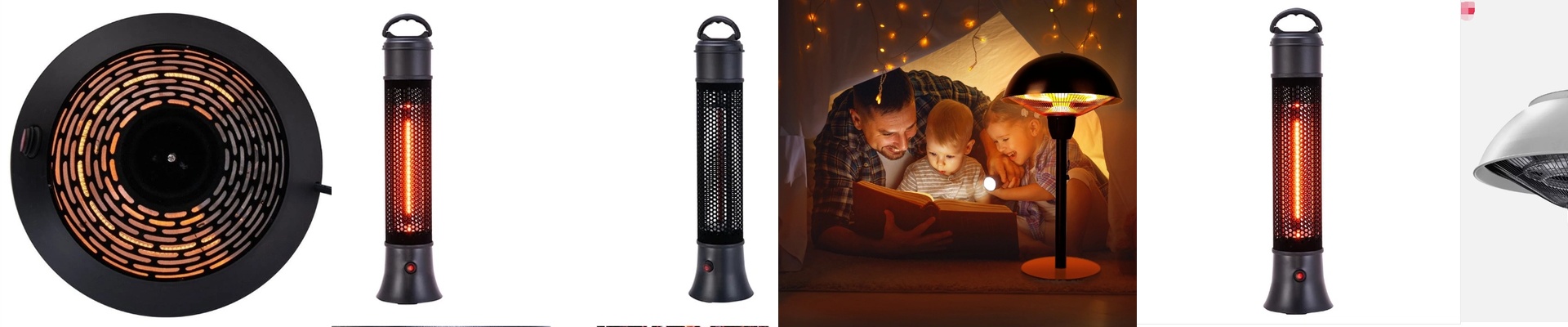
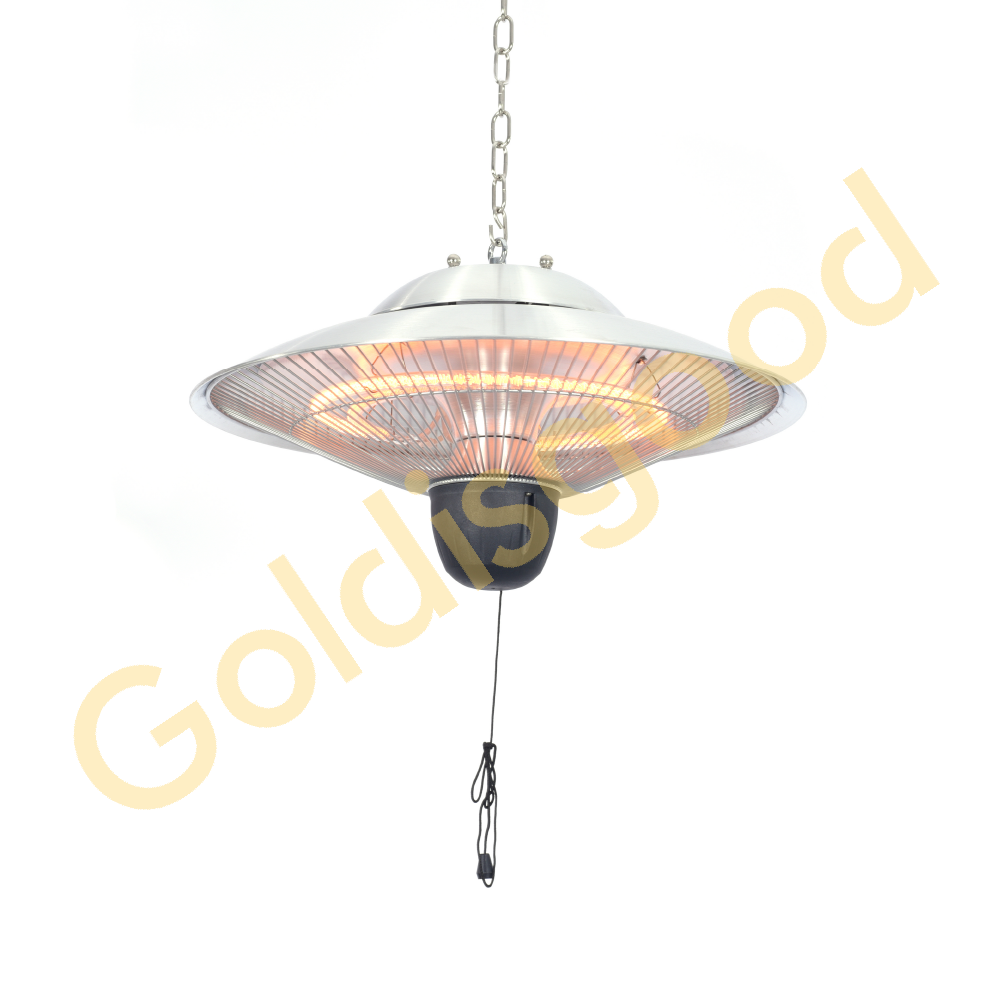
In a small off-grid cabin, kerosene leaves a signature long after the flame goes out. That oily smell hangs around, soot finds the windowsills, and the air feels thick. You turn the oil-burning heater off not just for comfort—you do it for your lungs. A desktop electric heater changes the whole picture: clean, quiet, and genuinely warm. What we built it around, technically We went with infrared radiant heat, driven by a carbon fiber element. Convection heaters that blow air tend to kick up dust; infrared warms people and objects directly. You feel steady, even heat within seconds. It’s rated at 1,500 watts and runs off a standard 120V outlet—no special wiring needed. A built-in thermostat holds your set temperature, and tip-over protection cuts power if the unit gets bumped. Why it makes sense here Switching from kerosene to electric infrared means no fumes, no soot, and no fuel storage. Indoor air stays noticeably cleaner, and anyone sensitive breathes easier. Heat arrives fast—no warm-up wait—so the room feels comfortable right away. Because the element heats without combustion, oxygen levels stay steady and you don’t get that dry, stripped-out feeling. It’s clean warmth without the draft—winter evenings feel cozy, not compromised. The practical details—what matters on the ground Infrared warmth is directional, so position the heater facing the main seating area. It’s not going to heat a huge room on its own, and it isn’t built for wet outdoor exposure. Keep it on a level, dry surface and give it breathing room—at least three feet from bedding, curtains, or furniture. Plug it straight into the wall; an extension cord can overheat when the unit is running full load.