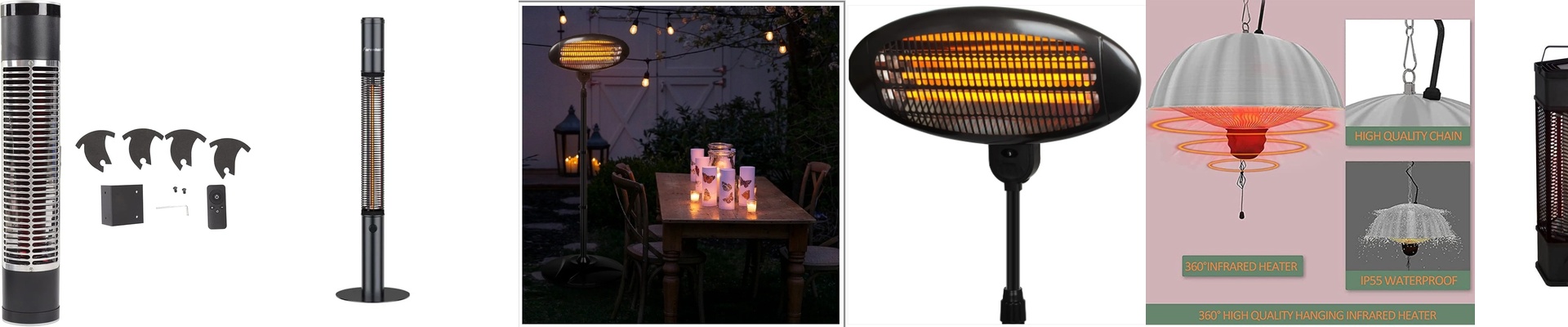
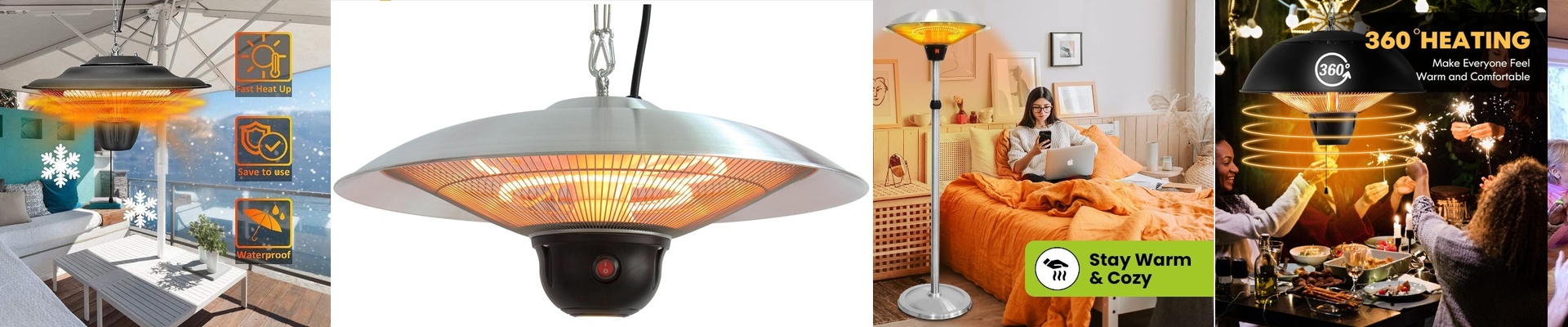
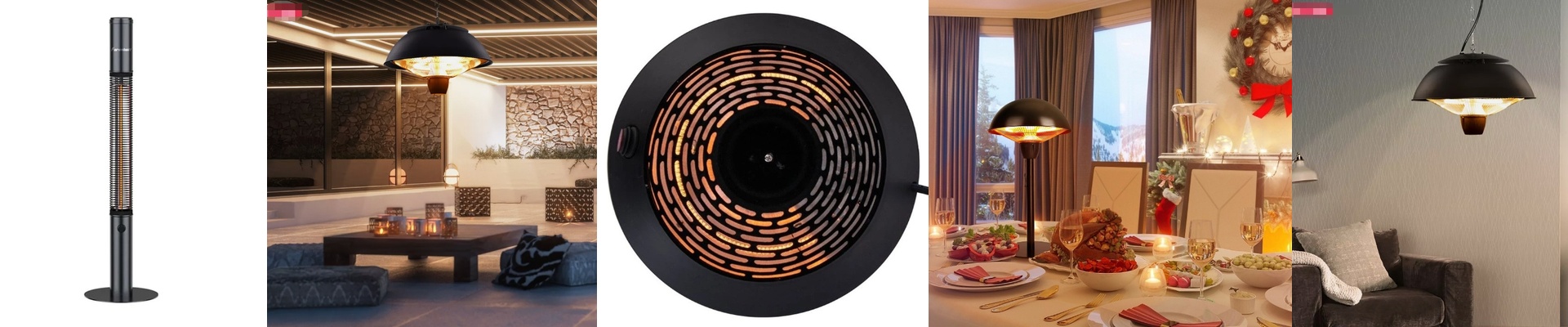
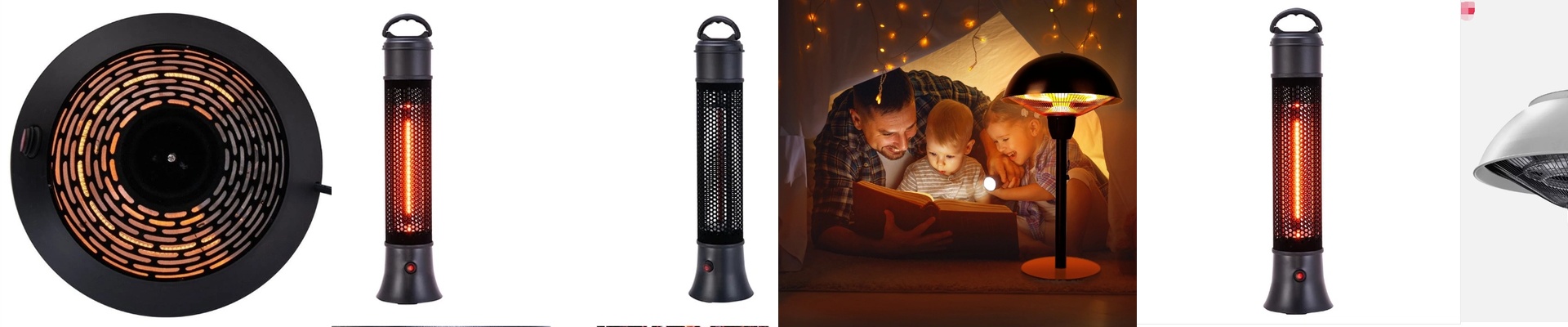
Step into an attic in late autumn and you feel it before you register it—the air turns sharp, and every breath hits your lungs with a chill. Without the right heat, the space becomes a dead zone, unusable for storage, for work, or just sitting quietly. We keep our finger on the pulse of how heating actually performs in real spaces because the details matter: how heat moves in odd corners, how drafts and noise ruin comfort, and how a compact unit can still deliver steady, even warmth.
What matters under the hood
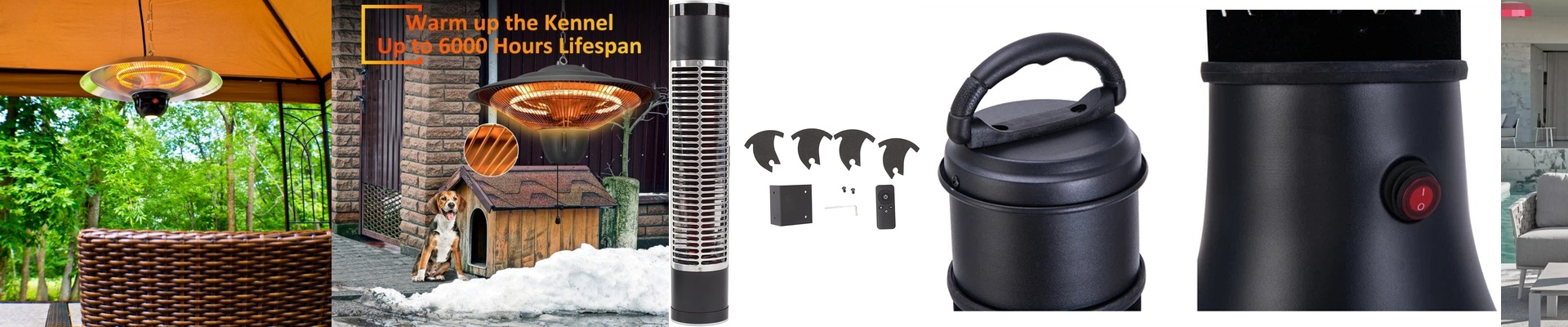
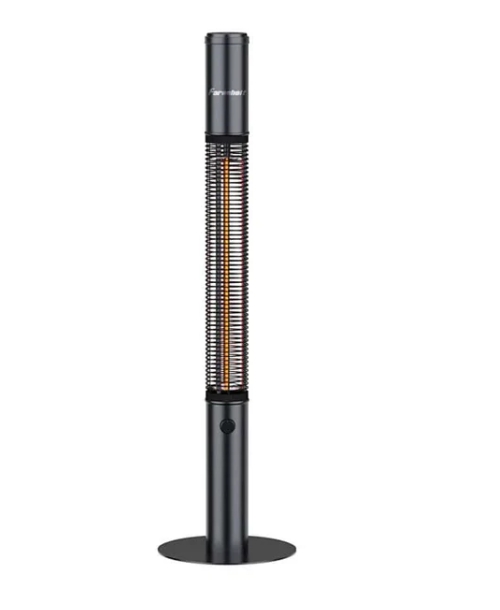
This attic heater is built around infrared radiant heat. It warms people and surfaces directly, instead of chasing air around the room. The carbon fiber element runs on 120V and puts out 1500W—enough to raise the temperature in a typical attic without tripping a standard circuit. A built-in adjustable thermostat keeps output steady, so you don’t get the up-and-down swings that make spaces feel drafty. The unit is compact, with a low profile that slips under eaves and along tight joist bays. And it runs quietly—no fan noise to interrupt a workshop or a calm evening.
Why this approach fits an attic
Attics get uncomfortable fast when heat is uneven or noisy. Radiant warmth makes the space usable again—you feel it faster, and it’s easier to stay there longer. Because the heat targets the area you occupy, it can feel comfortable at a lower air temperature, which can help keep energy use in check. You can also place it where you actually stand or work, and it doesn’t fight drafts the way forced-air units do.
Practical points before you set it up
Installation is straightforward, but attic wiring is never one-size-fits-all. The heater needs a dedicated outlet on a properly rated circuit, and it should be mounted securely so it can’t shift or vibrate loose. It’s designed for indoor, dry spaces—conditioned attics, not damp crawl spaces or fully exposed outdoor areas. If your attic has thin insulation or big air leaks, pairing the heater with basic sealing makes the warmth feel more consistent and helps keep running costs down.