Keeping Things Safe When Heating Wafers with IR
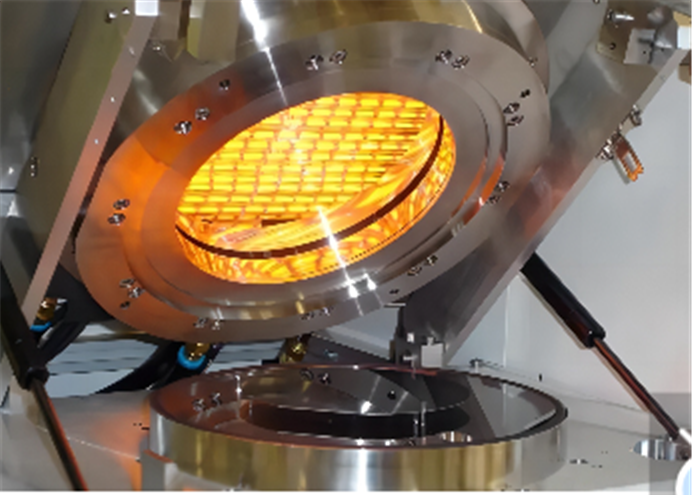
Let’s be honest: mixing high-temperature infrared lamps with flammable solvents is a recipe for a very bad day. When you’re in the chemical cleaning stage of wafer fab, the last thing you want is an ignition source hanging out right next to explosive vapors. We’ve found a better way to handle this. Instead of using open-element lamps, we wrap them up in specialized encapsulation.
Finding the “Sweet Spot”
There’s a bit of a balancing act when it comes to where you place your lamps. If you mount them too close, you’ll end up with “hot spots” on the wafer. Not good. But if you push them too far back, you lose heat efficiency, and suddenly your cycle times are dragging. To fix this, we tuck the heating elements inside sealed envelopes made of sapphire or chemically resistant quartz. Think of it as a physical shield. It keeps the electrical arc of the lamp away from the air around it, so even if you have a chemical leak, the lamp isn’t going to start a fire.
Making it Last
Stability is everything here. We use coated quartz or a double-wall design because thermal shock is a real killer. When your cleaning fluids jump around in temperature, a cheap lamp will just crack. Plus, the seal keeps out moisture and those nasty corrosive gases. Usually, that’s where lamps fail—the electrodes just get eaten away. This design stops that from happening.
The Trade-off
Now, there’s a catch. Because we’ve added that protective outer shell, you lose a little bit of the raw heat. Not much, but the shell does absorb a fraction of the energy before it hits the wafer. You’ll just need to tweak your power supply to make up for that loss if you want to keep your ramp-up speeds exactly where they need to be. One last thing: don’t forget your airflow. Even with these sealed lamps, you still need your exhaust system working overtime to keep solvent levels below the Lower Explosive Limit. Safety first, always.