
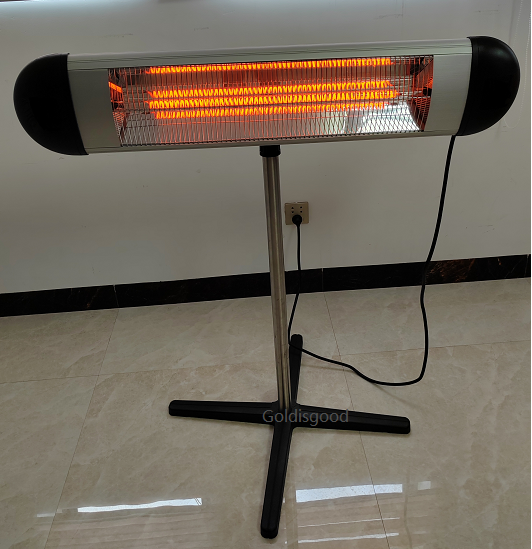
Keeping Your Bathroom Infrared Heaters Safe (And Your Toes Warm)
Putting an infrared heater in a bathroom is a bit of a gamble if you aren’t careful. You’ve got high-wattage heat on one side and constant steam and splashing water on the other. That’s a recipe for a short circuit—or worse. To actually sleep easy at night, you can’t just throw these in a basic plastic box. You need something built to IP44 standards.
What “IP44” Actually Means for You
In plain English? It means the heater won’t freak out when it gets splashed from any angle. Most of the trouble starts where the power cable enters the lamp. That’s the “weak spot” where steam likes to sneak in. We fix that by using compression glands and silicone gaskets. Think of it like a watertight seal that keeps the electricity where it belongs and the moisture outside. Inside, we keep the wiring far away from the metal frame. By using double-insulated cables and ceramic sockets that can handle the heat, we stop “arcing.” You know, that scary spark that happens when moisture creates a bridge between a live wire and the grounded frame.Nobody wants that in their shower.
The Battle Between Heat and Humidity
Here is the tricky part: infrared lamps get incredibly hot. When the unit cools down, it can actually create a vacuum effect, literally sucking moist air into the housing. It’s a sneaky way for water to get inside. To stop this, we build in drainage paths and seals that can “breathe” without letting the bad stuff in. But you can’t just seal it airtight. If you do, the internals will basically bake in their own heat until the insulation cracks. That’s why we use fluorosilicone seals. They don’t get brittle or crumble, even when they’re being heated and cooled a hundred times a day.
Real-World Setup
Even the best gear can’t fix bad house wiring. If your building’s grounding is sketchy, you’re relying entirely on your RCD (Residual Current Device). We always suggest pairing these heaters with a 30mA RCD. It’s your safety net. If a seal ever fails, the power cuts instantly. It’s a small detail, but it’s the difference between a cozy morning and a very bad day.