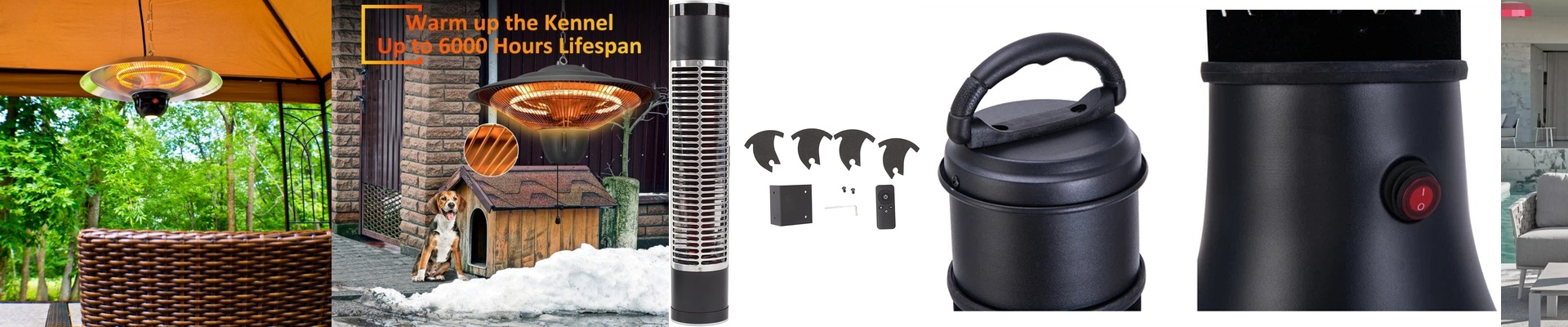
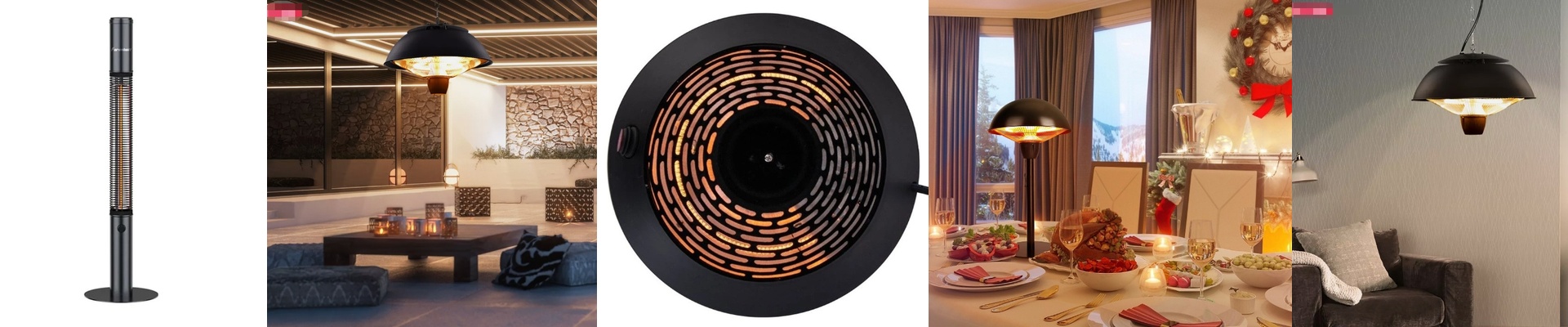
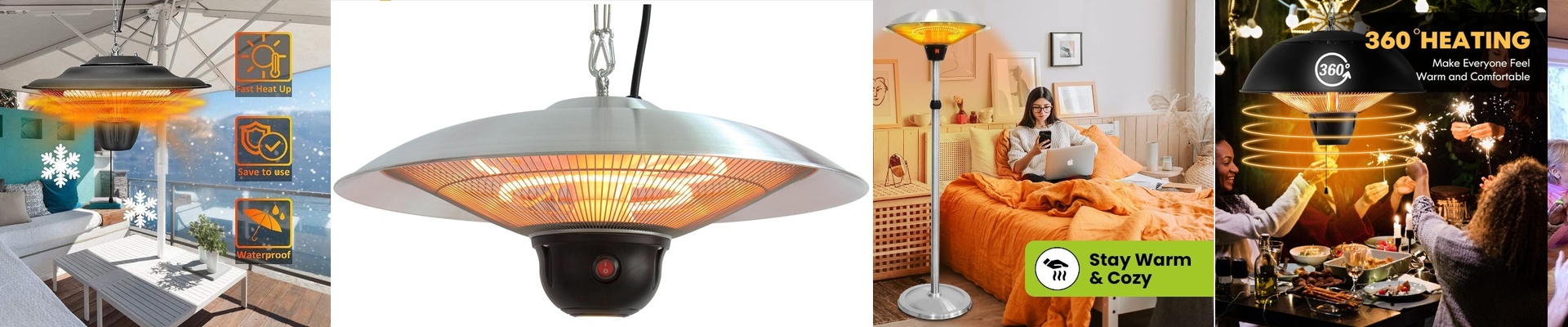
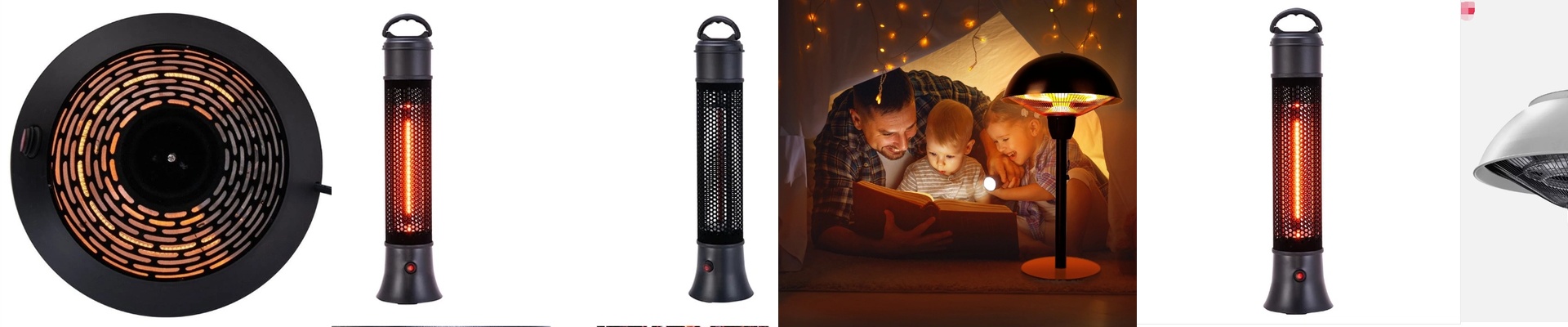
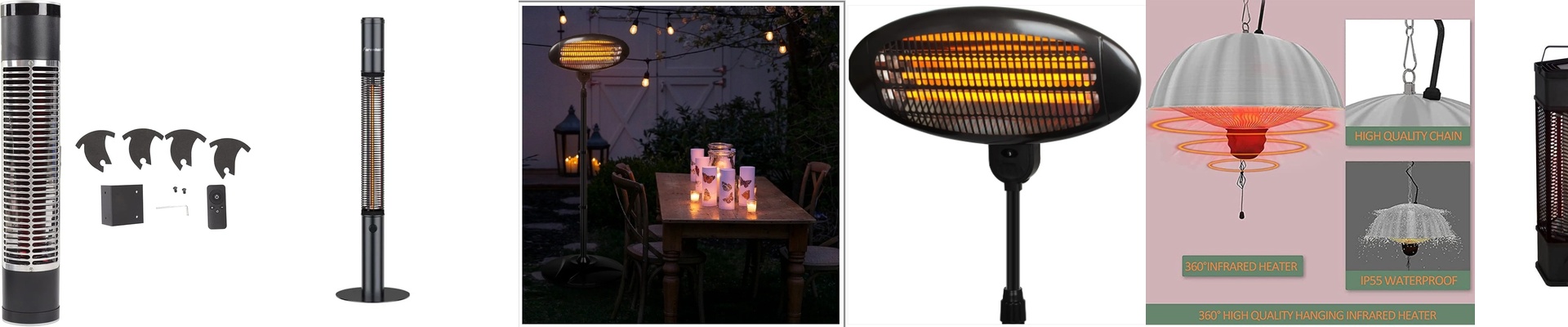
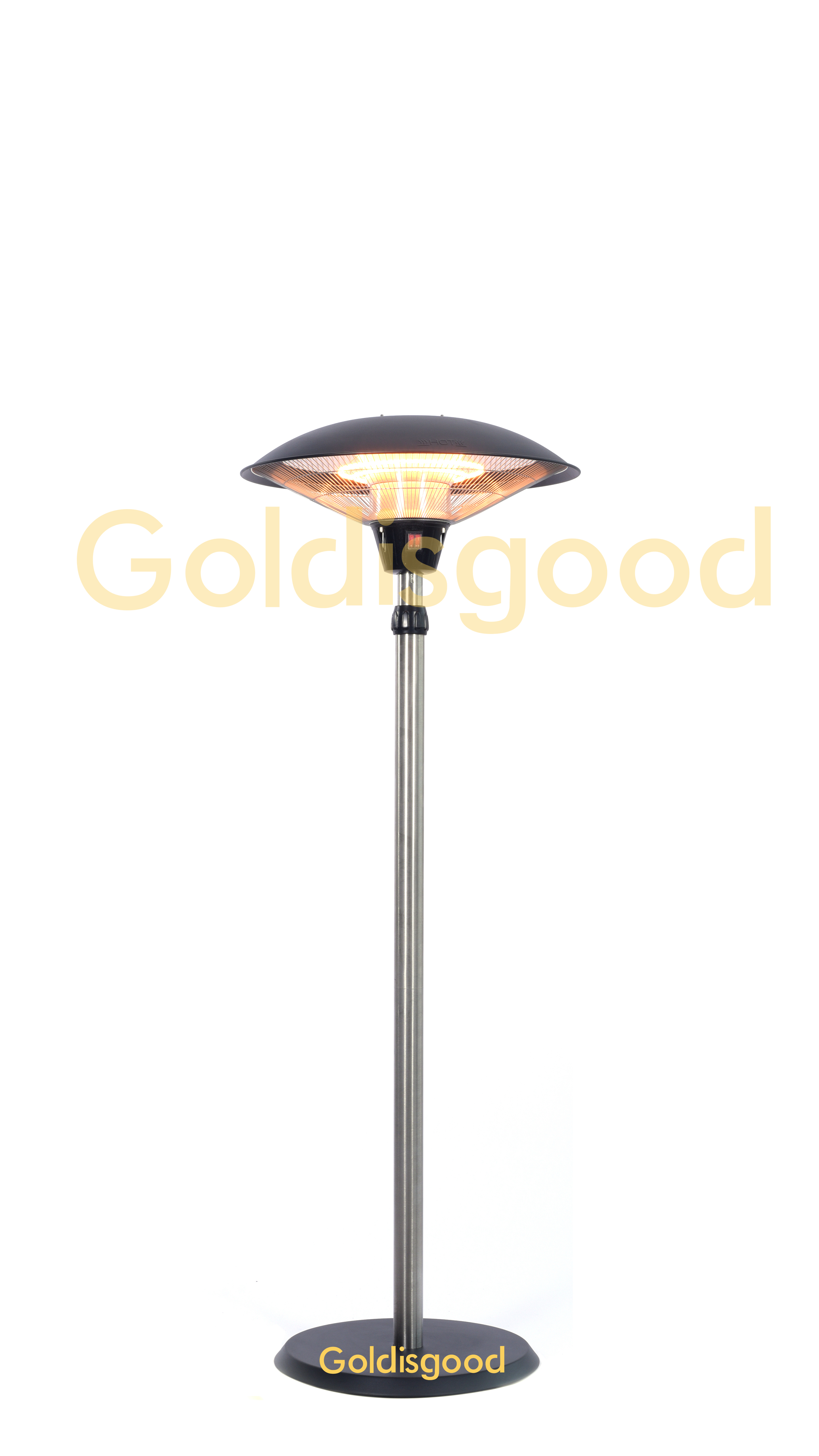
We built these waterproof infrared table heaters for the places where staying dry and getting warm fast aren’t optional—like locker rooms, wash-down areas, and other cold, damp spots. The whole point? Turning those miserable, clammy zones into warm, welcoming spaces in seconds, without waiting around for air to slowly heat up. Here’s the power part, in plain terms. These heaters run on 400V, so they play nice with industrial power setups. That voltage backs serious wattage, packing a lot of heat into a small footprint. We kept the unit at 300mm for a reason: it throws a focused beam that hits exactly where you need it, so you’re not wasting energy heating empty air. The result is dense, targeted warmth that brings up the temperature fast. Just know this kind of output needs a cooling setup that’s properly rated to keep everything running steady. Now, what makes them tough enough for wet, rough environments? Inside, you’ve got halogen elements inside heavy-duty quartz tubes. The halogen cycle helps keep the filament stable, so the lamp lasts longer and stays consistent. The tubes are coated to take direct water exposure, which means no shorts and no corrosion. And for the connections, we use R7s connectors. They’re secure, rated for high temps, easy to wire, and they stay put even when things vibrate or go through repeated heating and cooling. So how does this feel in real life? In a locker room or any wet area, the waterproof build means you’re not crossing your fingers every time someone showers or hoses something down. These heaters take the moisture in stride and just keep performing. The fast response is perfect for spot heating when people come and go—no waiting, no pre-heating a giant volume of air. That’s not just more comfortable, it’s easier on your energy bill. Installation is straightforward, too. The size is compact, and the standard R7s connector makes these a direct drop-in for existing infrared systems, so you can swap them out without dragging out a long shutdown. One thing to keep in mind: the heat is intense. That’s the point. But it means you want to position the units thoughtfully, so you get the warmth where you need it without overheating nearby surfaces.