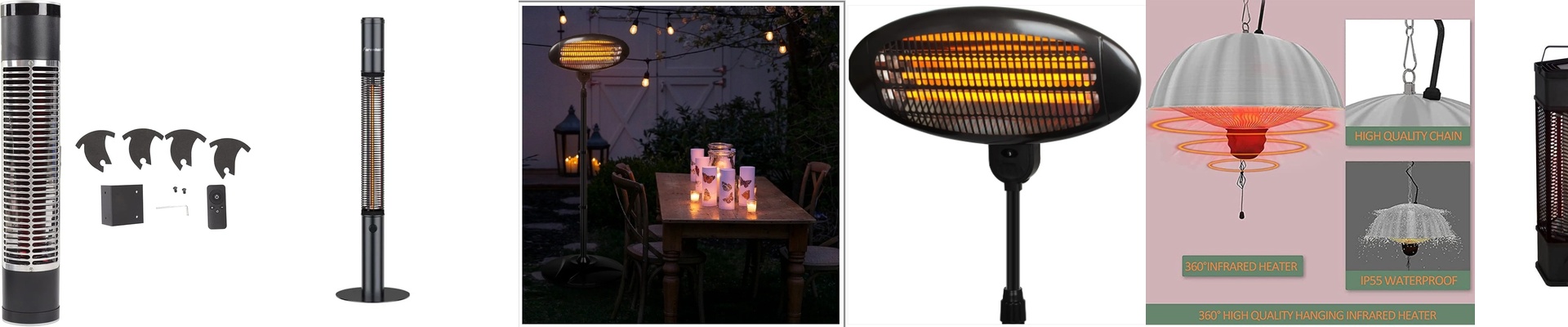
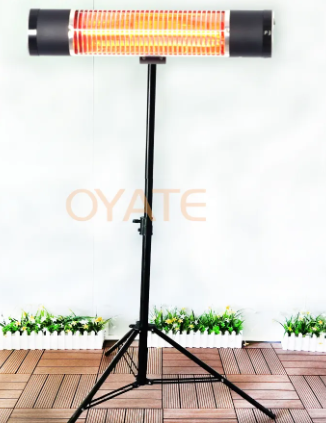
Voltage swings are the quiet saboteur of outdoor comfort. The grid dips one evening, surges the next. With a lot of infrared heaters, that variability chews up element life, causes that flickering warmth, and leaves you grabbing for another blanket. We built our low-noise electric infrared heater around a circuit compensation system that absorbs those swings, so the heat stays steady and the sound stays down. Here’s what matters under the hood: a carbon fiber infrared element paired with an active voltage compensation circuit. When line voltage fluctuates, the circuit holds the element at a consistent power profile, instead of letting peaks cook the filament and troughs starve the output. That gives you stable radiant heat, not a rollercoaster of bright-then-dim cycles. Fewer thermal stress cycles on the element, and a heater that can sit quietly on your patio while delivering even infrared warmth. We pair that with a low-noise fan assembly and aerodynamic airflow paths, so the only sound you hear is a soft rush of air — no rattles, no buzz. Why it works out there is all about resilience where you need it most. On a cool evening, voltage stability translates to reliable startups, predictable heat output, and longer service life — especially in areas with older wiring or shared transformers. You get comfort without worrying about premature failure, and you get it quietly, so conversations and music stay undisturbed. The radiant heat warms people and surfaces directly, which helps the patio feel usable sooner, even when the air is still. One thing to know: because the compensation circuit actively manages power, it needs a dedicated outlet on a circuit that can handle the heater’s rated load. For best results, match the plug type and circuit capacity to the unit’s specifications. In very humid conditions, choose a model with a higher IP rating and keep the heater positioned to avoid direct spray from rain or sprinklers.