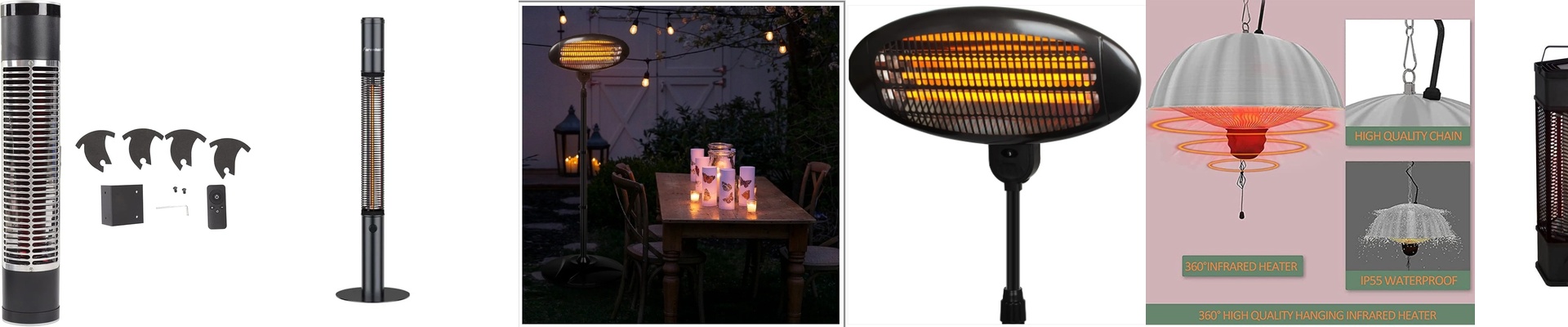
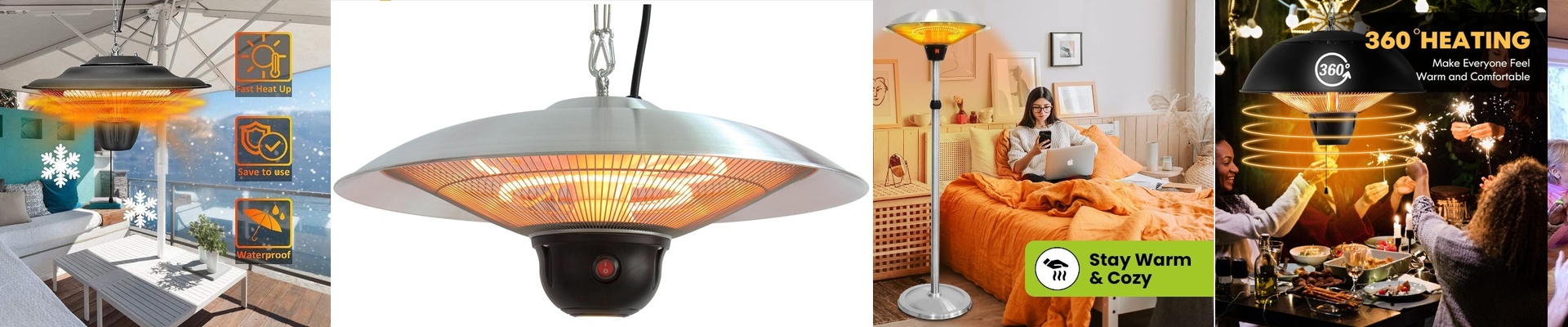
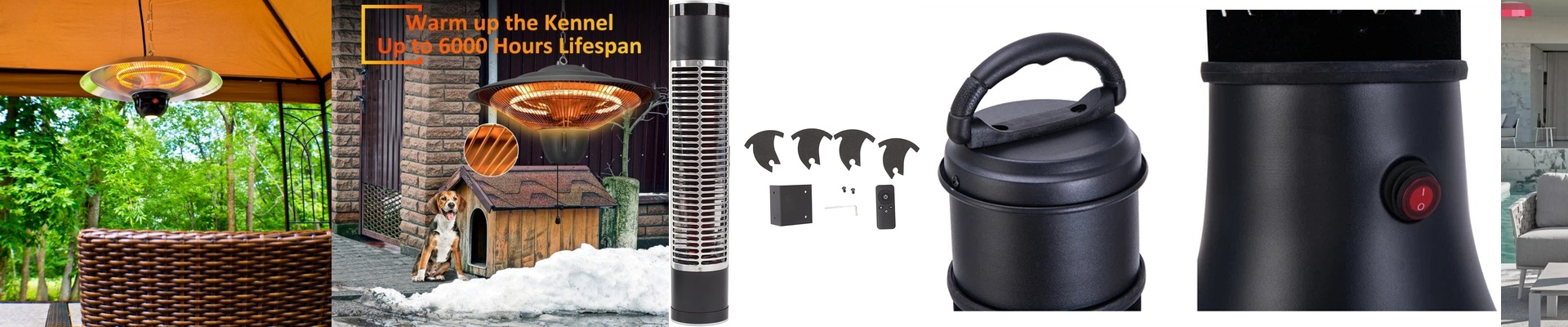
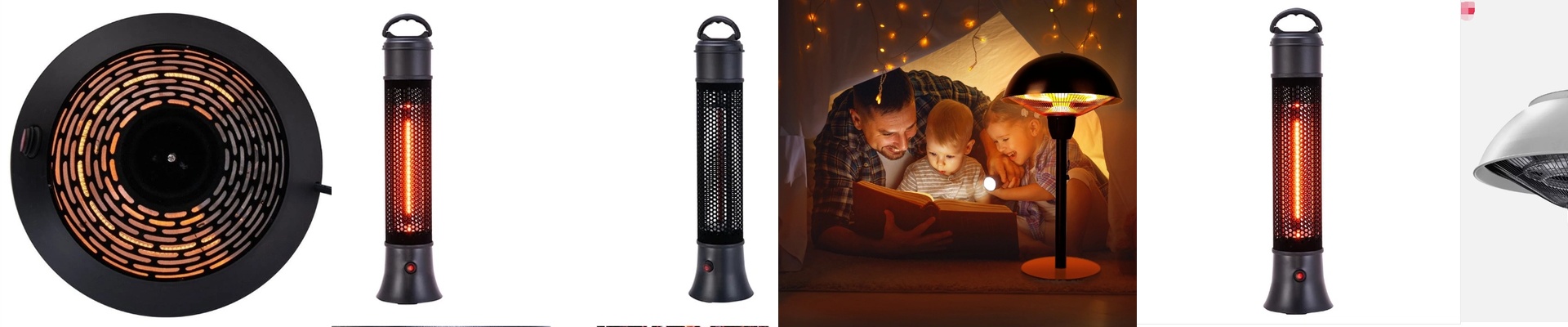
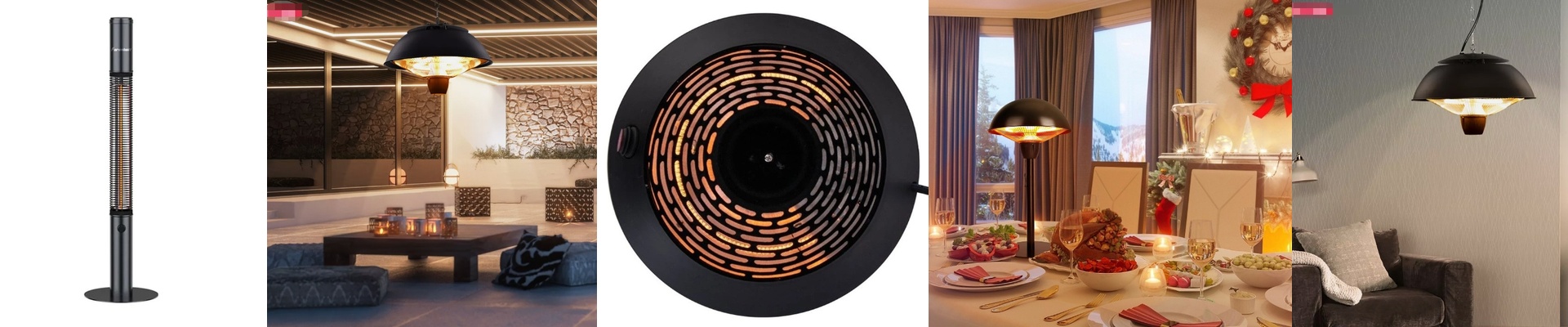
A cold warehouse isn’t just uncomfortable. It drags every move, stiffens hands, and pushes heating costs up while the air high above stays warm. You don’t need to heat the whole volume—just the people and the work zones. That’s where radiant heat earns its keep.
What matters, technically
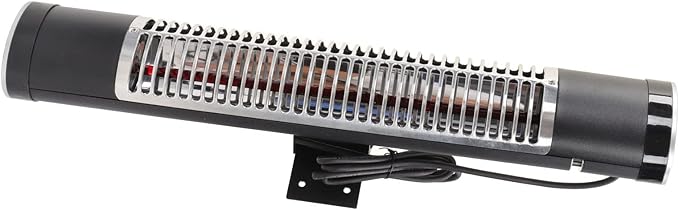
We build warehouse infrared heaters around short-wave quartz elements. They throw intense, directional warmth, and there’s no warm-up wait when a shift starts. A 3,000–8,000 W output range lets you match coverage to aisles, dock bays, and packing stations. You get precise control through thermostat inputs and adjustable power settings, so you can dial in comfort without overshooting. The units run on standard industrial power, and the housing is built for dusty, high-traffic environments.
Why it works in practice
Infrared warmth hits exactly where you need it. The beams travel straight and warm people, equipment surfaces, and the floor directly—so you feel heat within seconds. Because it’s directional, you’re not wasting energy heating empty air, and you’re not chasing warmth that drifts up to the roof. That focus translates into lower energy use, steadier comfort for staff, and fewer slowdowns from cold hands. In practice, you zone the heat by placing units where work happens, and keep the peripheral areas cooler.
The details that make the difference
These heaters perform best when aimed at the right angle and height, and when they have a clear line of sight to the target area. Obstructions and high ceilings change coverage, so layout planning matters. They’re built to work hard, but they aren’t meant for constant exposure to heavy rain—an IP rating helps, and shelter is still the smart move. For best results, pair them with a thermostat and schedule heating around shift times.