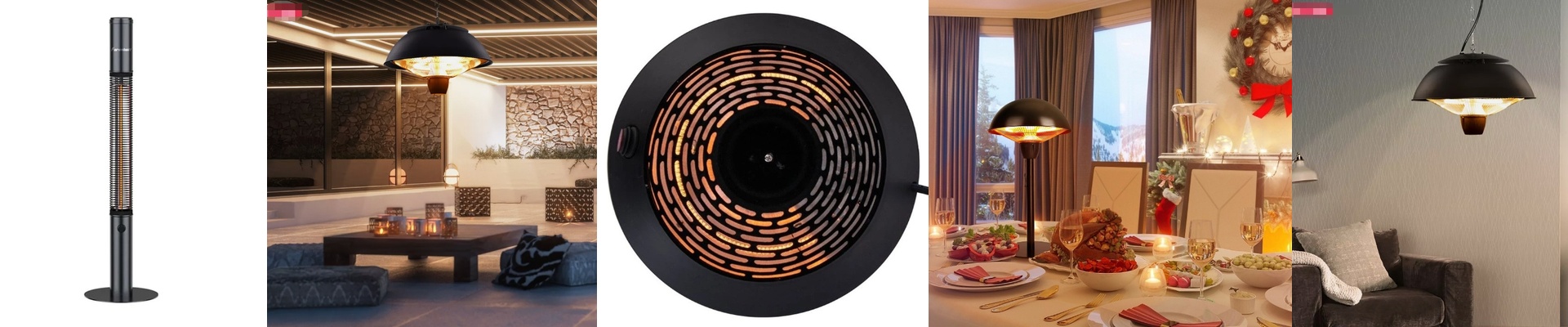
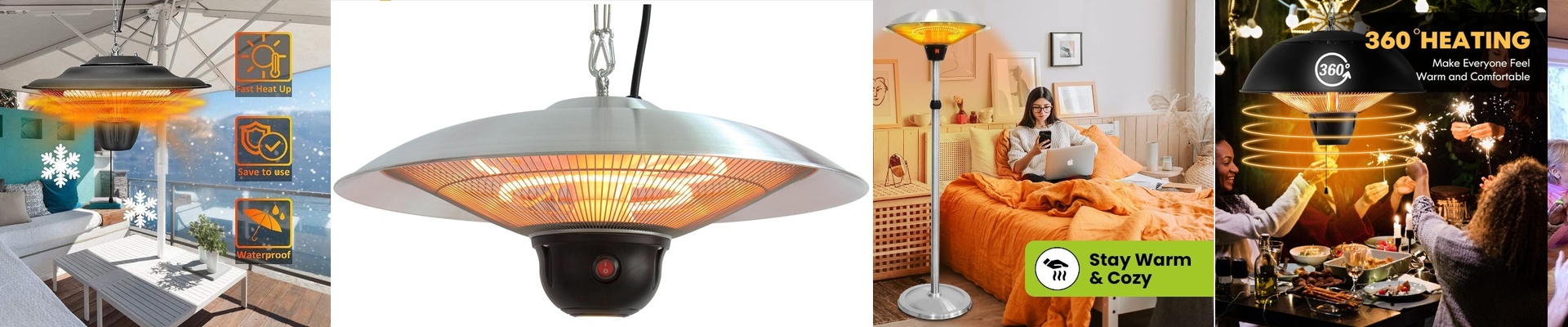
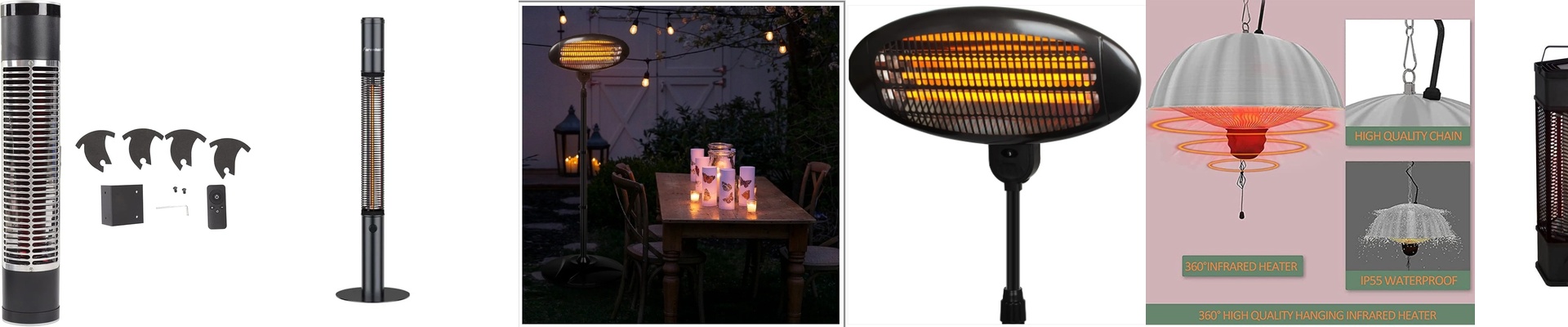
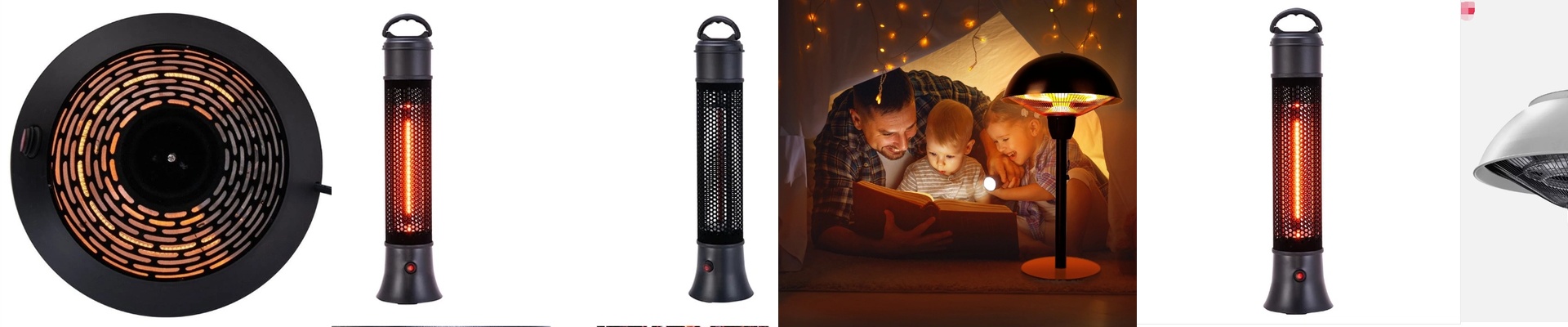
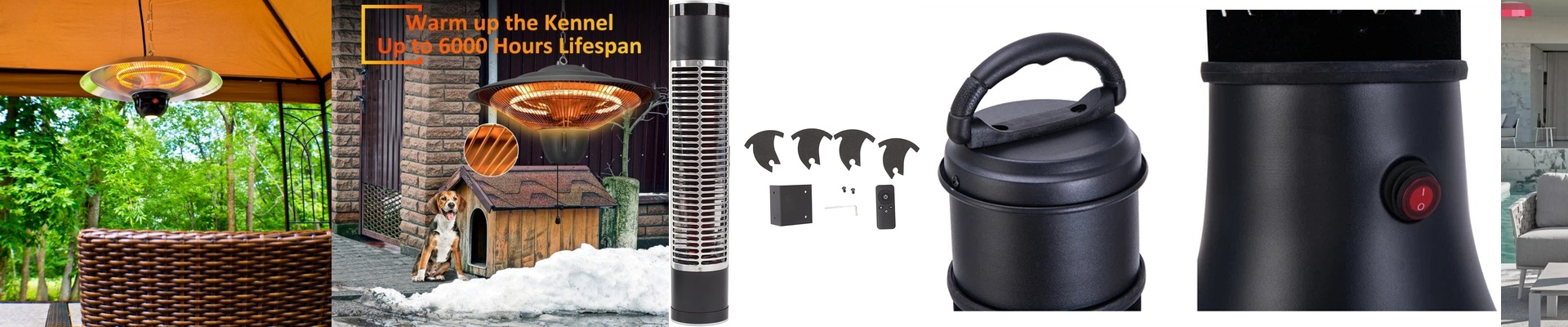

When winter really sets in, pets feel it in their joints and circulation long before we do. Forced-air heat dries things out, kicks up dust, and drafts can leave animals hunting for a warmer corner—even inside. Infrared electric heaters cut through that. The warmth lands like sunlight: direct, gentle, and genuinely comforting.
What’s actually going on, technically
Infrared electric heaters deliver radiant heat—warming people, surfaces, and bedding directly, instead of trying to heat the air. Most units run on a halogen or quartz tube to produce short-wave infrared, then use a reflector to focus the output where you need it. Typical models plug into a standard 120V outlet, pull 1,200–1,500W, and come up to temperature in seconds. You get immediate warmth with no fan noise, and without that harsh glare you sometimes see from patio heaters.
Why this approach works so well for pets
For a pet-focused winter setup, radiant heat is easier on circulation. It penetrates the superficial layers, helping muscles relax and supporting natural blood flow—especially valuable for older dogs and cats. Because the heat is directional, you can aim it right at beds, whelping areas, or perches and build a stable warm zone. And you avoid the temperature swings that come with cycling heaters, so your animals get steady comfort instead of hot-and-cold shifts.
What you need to get right
Infrared warmth works best when you place the heater at the recommended distance—usually 3–6 feet from the target area—and keep it clear of bedding, food, and water. Pick a model with a protective grille, tip-over protection, and a thermostat for consistent control. If you’re using it in a damp space, look for an IP rating that matches the environment. Here’s the part that trips some people up: infrared heats surfaces, not air. So away from the beam, the room can feel cooler. That trade-off is exactly why zoning the warmth matters.