
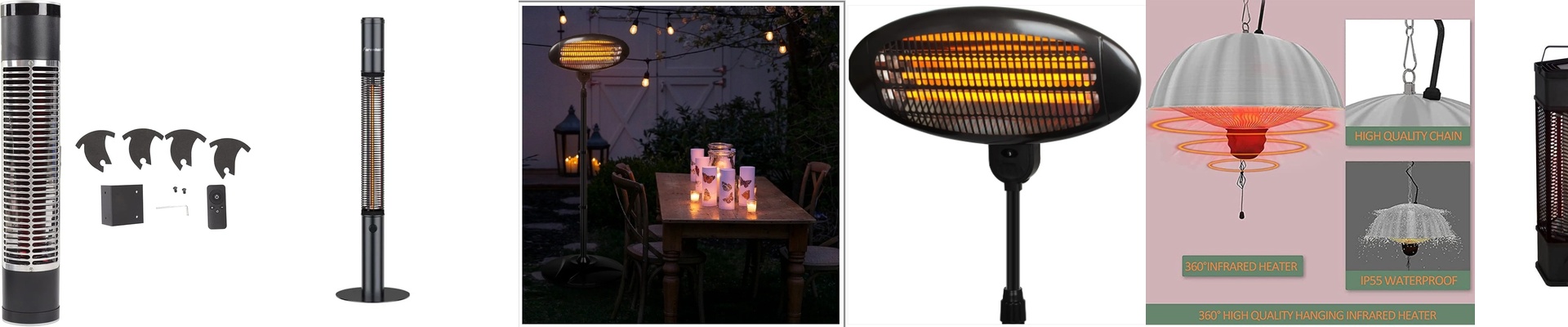
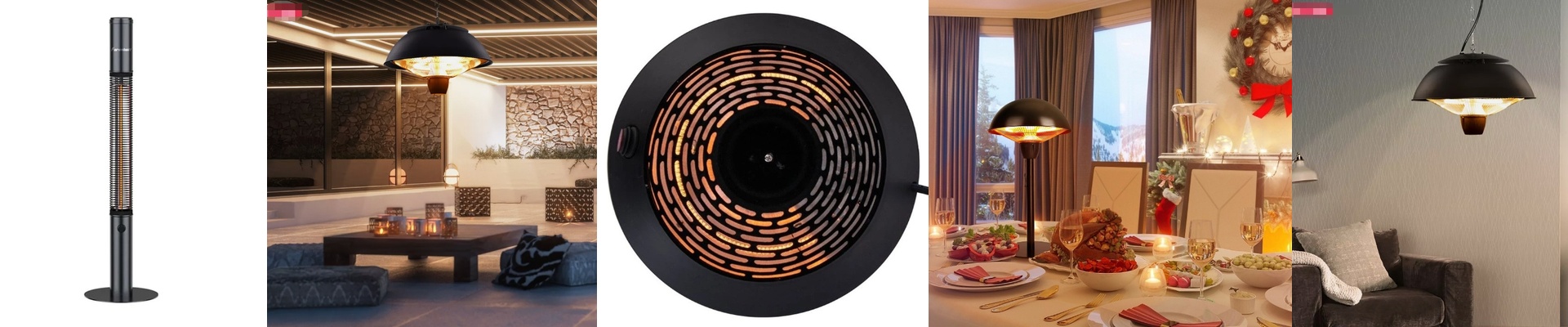

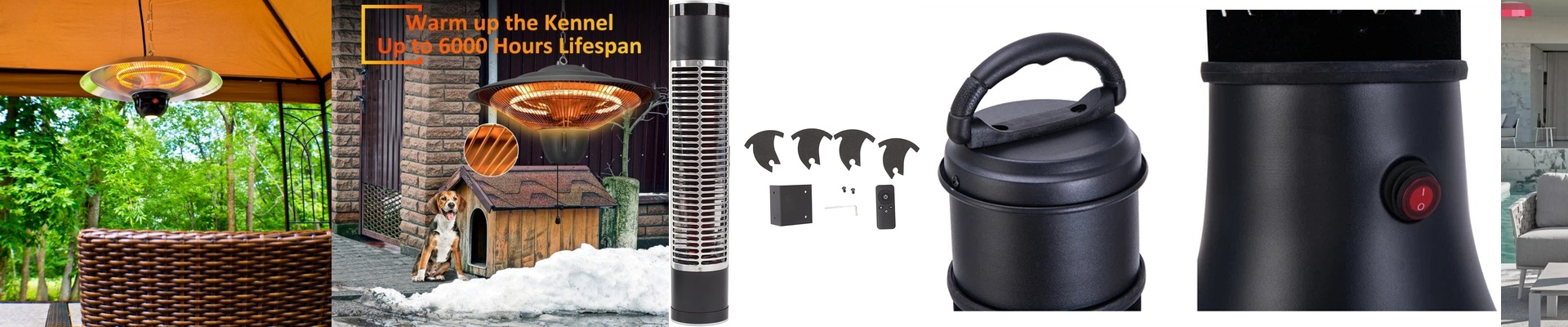

Why Your Outdoor Heater Keeps Dying (And How We Fixed It)
Here is the truth about outdoor patio heaters: most of them fail at the exact same spot. It’s not usually the heating element itself that goes. It’s the connection point. When you put an infrared heater in a waterproof housing, you aren’t just worrying about a bit of rain. You’re fighting a constant battle with heat. The wires expand when they get hot and shrink when they cool down. Over and over again.
The breaking point
A lot of factories take the easy way out. They use basic shrink tubing or some cheap silicone. But in a high-wattage setup, that junction gets scorching. Cheap seals can’t handle that. They crack. They peel. And the second a tiny gap opens up, moisture crawls in. Once that happens, you’ve got a conductive path straight to a blown fuse or a dead short. Not exactly what you want when you’re trying to enjoy a drink on the deck. We do things differently. We use a multi-stage potting compound that basically welds the wire to the quartz or ceramic housing. It creates a tight, airtight seal that actually holds up.
The “invisible” difference
Most generic builds skip the vacuum-sealing step because it takes longer. They just slap on some heat-shrink and call it a day. But here’s the problem: that leaves tiny air pockets in the sealant. Those pockets act like little insulators, trapping heat and baking the wire insulation from the inside out. It ages the wire way faster than it should. By sucking that air out, we spread the heat evenly. No hot spots. No premature aging. And we don’t use standard PVC for the wires. If you do, it’ll melt and peel off in a few hundred hours. We use fiberglass-braided silicone. It’s tough. It takes a beating from the humidity and the heat without flinching.
One quick heads-up
There is a trade-off. Because the seal is so tight, the lead wires are a bit stiffer. This means you can’t just bend them into a sharp angle near the element. If you force a tight curve during installation, you might stress the seal and create a leak. Just give the wires a little room to breathe. Give them some slack, and they’ll last.