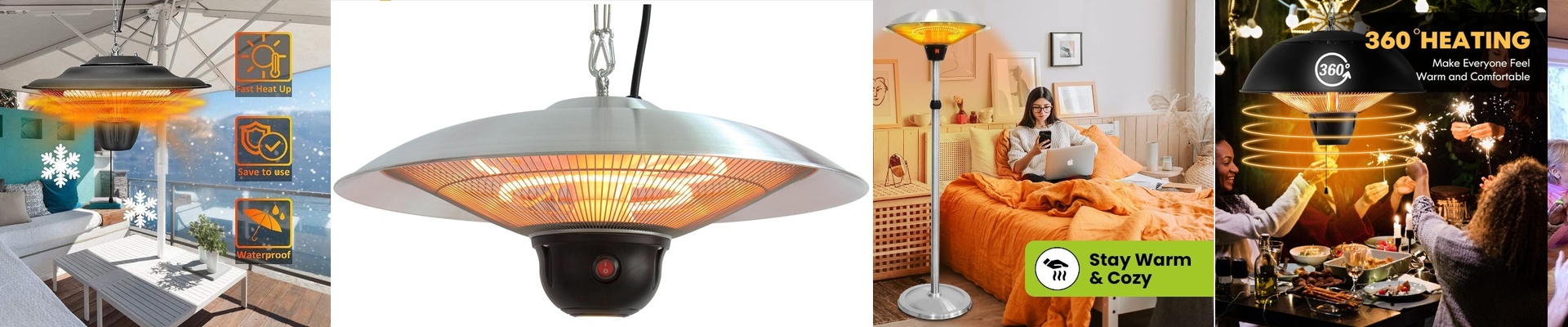
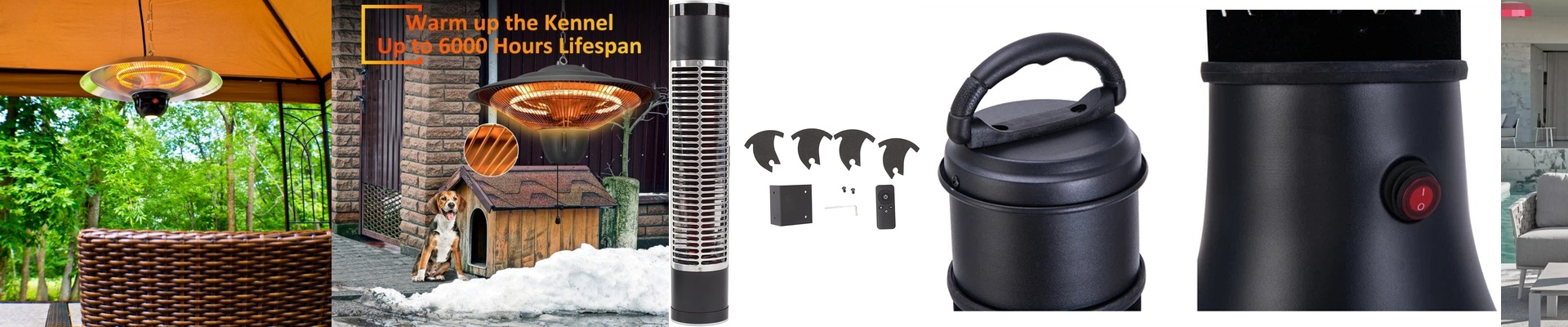
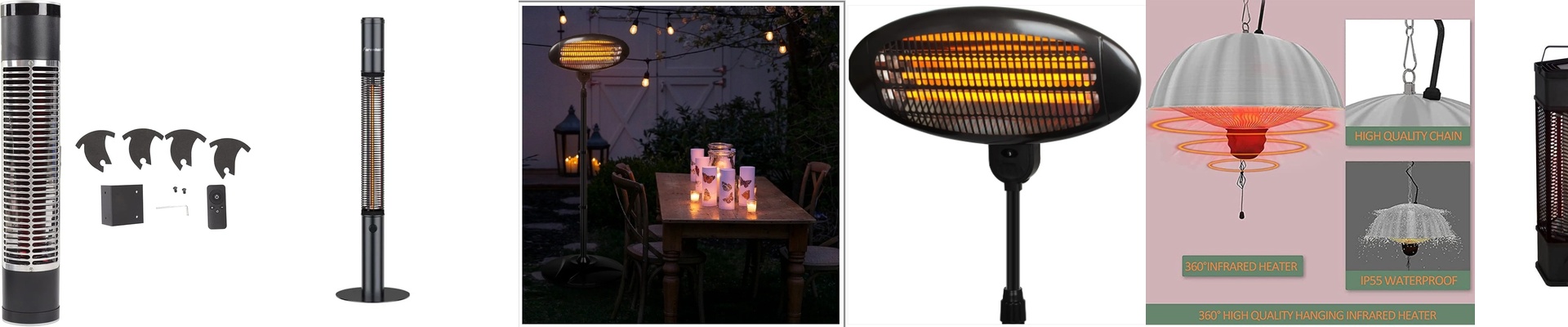
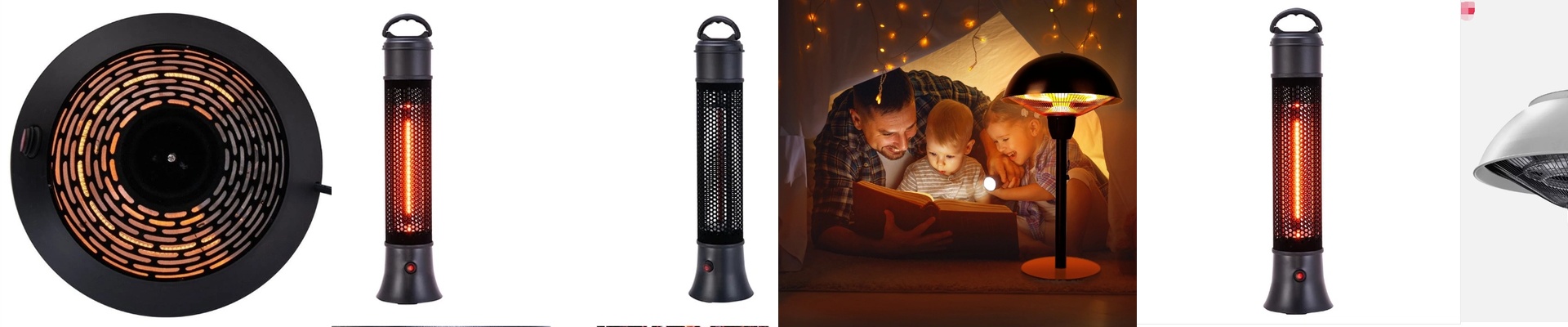
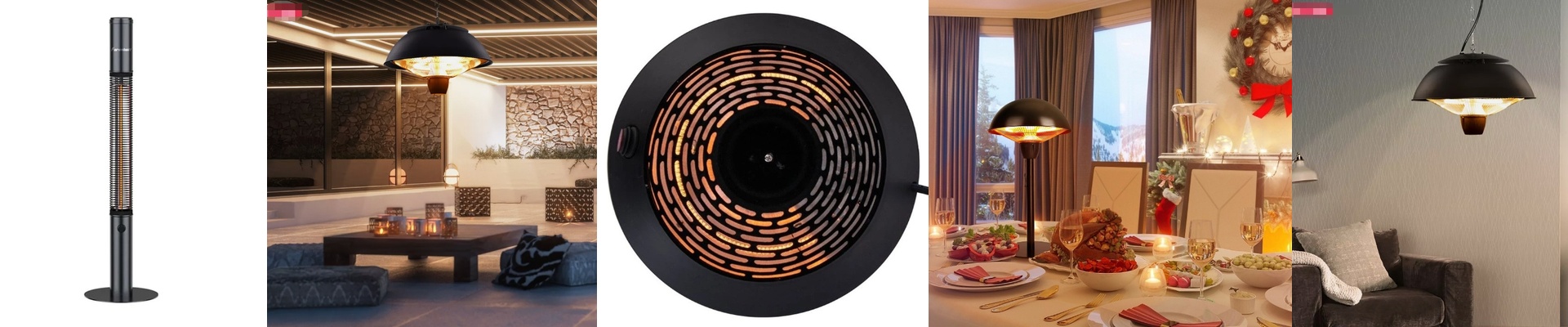
Factory Ceiling Radiant Heaters: Keeping Things Safe with Explosion-Proof Quartz Infrared Lamps
When you need to warm up a massive industrial space, factory ceiling radiant heaters are the go-to. But what happens when you need that same targeted heat in a high-risk spot—like a bathroom or a hazardous zone? That’s where the explosion-proof quartz infrared heating lamp comes in. It’s built to stop catastrophic failures before they even have a chance to start, unlike standard heaters that just aren’t cut out for the risk.
Power, Voltage, and Fit: Built for the Real World
These lamps are made for the heavy lifting of industrial work. They run on standard industrial voltages, so they slip right into your existing plant electrical system. No costly rewiring. No headaches. The wattage is matched to the tube length, so you get steady, reliable infrared output. For example, a 300mm tube throws off enough heat to warm a 20-square-meter bathroom in under 10 minutes. And the design is compact, so you don’t have to rework your entire ceiling just to fit them in.
The Safety Secret: It’s All in the Build
The explosion-proof feature starts with the quartz tube. Standard glass tubes can shatter when temperatures shift quickly—or if they get a bump. Quartz, on the other hand, handles both thermal shock and physical impact without breaking. Inside, the infrared filament lives in a sealed vacuum or inert gas environment. That means there’s no oxygen to feed a combustion event. And the R7s connector? It clicks in tight, keeps wires from working loose, and handles high current without getting dangerously hot.
Why It Works Where It Matters
In a bathroom, the infrared heat kicks on instantly, wiping out cold spots and helping cut down on moisture. But the real comfort comes from knowing it won’t let you down. Even when steam hits or temperatures change suddenly, the explosion-proof quartz design holds its ground. One thing to keep in mind: these lamps run hot. So you need a mounting bracket and ceiling material that can handle sustained temperatures up to 300°C. For engineers, that means a solution that meets safety codes without sacrificing heating performance. We build these lamps to take the hard knocks of industrial life and high-moisture environments, so you can stop worrying about surprise failures. The specs are simple. The materials are proven. And the design does its job—every single time.