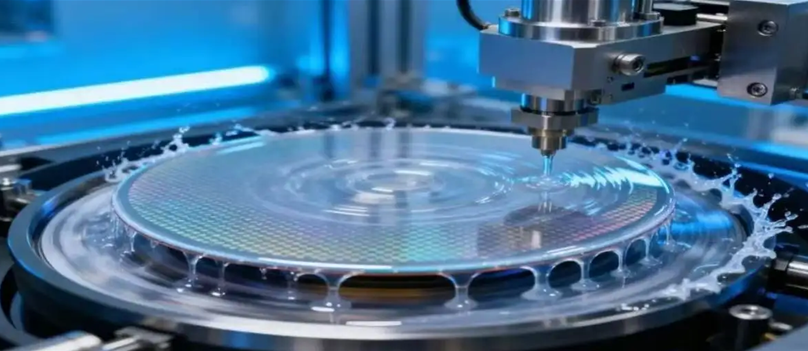
On the fab floor, soft bake and hard bake aren’t just temperature steps—they’re tolerance steps. A 1°C drift eats into your critical dimension budget, and a hotspot can quietly kill yield. That’s why we built zoned infrared heating modules to take the guesswork out of the thermal profile. What matters, technically We run short-wave infrared emitters with fast-response drivers, so the heat lands where you want it, when you want it. The module is split into independently controlled zones, which means you tune temperature across the wafer instead of averaging it across a hotplate. In practice, that gives wafer-level uniformity within ±0.1°C and photoresist bake profiles that track within ±0.5°C setpoint, cycle after cycle. The quartz-free build and low-outgassing materials keep particle generation off the wafer, which is exactly what you need for Class 1–100 cleanroom operation. Here’s why it holds up in a lithography line. You can’t afford unplanned downtime. This zoned infrared module runs 7×24 with zero unplanned stops, and the thermal system is built to last—service life exceeds 10,000 hours. It’s simple, modular, and controlled at the zone level. The payoff is straightforward. You get faster ramp-to-setpoint, tighter within-batch repeatability, and fewer scrap wafers tied to bake non-uniformity. Energy use drops, too—zoned control avoids heating the whole block when only a few positions need adjustment. A few things to plan for. Installation needs a dedicated power circuit and clean, cool airflow to keep emitter temperature stable. The module interfaces cleanly with existing bake tracks, but you get the full benefit when you pair it with a recipe strategy that uses zone compensation for edge effects. One constraint is real: zone count is fixed per frame. So map the zones upfront to match your wafer sizes and edge-control needs.