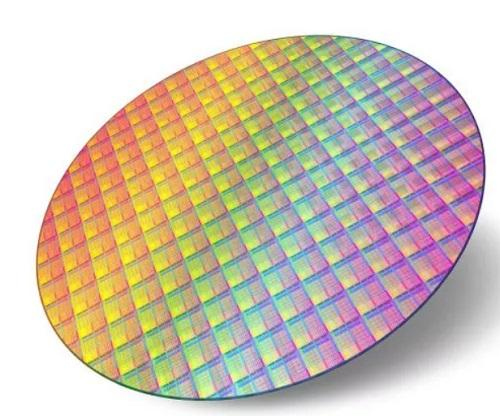
On the 300mm line, the oven looks stable, but the photoresist profile still drifts after soft bake. Then you get line-width excursions at etch, and the trail leads straight back to uneven thermal budget across the wafer. More often than not, the culprit is the dryer lamp—elements aging, output drifting, and hot spots the controller just can’t compensate for.
What actually matters on the floor
The DNS screen wafer dryer lamp uses short-wave infrared emitters in a quartz assembly. That gives you fast, direct-coupled heating with wafer-level uniformity within ±0.1°C. The lamp output holds repeatable over thousands of bakes, so soft bake tracks the recipe within tight tolerance and the hard bake profile stays locked on target. It’s built for Class 1–100 cleanrooms, and the whole setup is engineered for zero particle generation. Surfaces and fixtures are chosen to keep shedding down. Output stays stable over 5,000+ hours, with less than 5% intensity drift—fewer requalifications and fewer consumable swaps.
Why this matters in lithography
Soft bake and hard bake set photoresist solvent content, adhesion, and CD control. When the thermal cycle repeats lot to lot, you cut scrap driven by bake-induced non-uniformity. Tighter uniformity means less rework after etch, higher yield, and changeovers that stay inside the process window. The fast thermal response also drops energy per bake, and the long emitter life keeps unplanned downtime off the board.
What you need to get right up front
Installation comes down to matching the lamp to the specific dryer chamber footprint and optical path. We confirm connector type, voltage, and cooling interface before anything else. The lamp needs to live within its defined ambient window. Push outside that, and emitter life takes a hit. And keep a preventive schedule for alignment and reflector cleanliness—otherwise you won’t hold the uniformity you’re counting on.