



Why We Use Gold in Our Wafer Transport Heaters
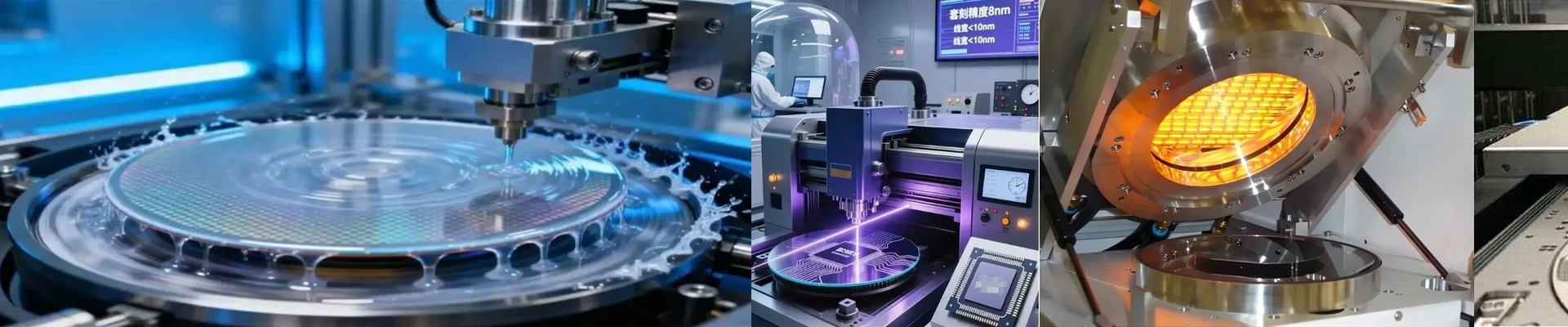
When you’re moving wafers across a clean room, temperature is everything. If things get too cold or swing too wildly, you’re looking at contamination or thermal shock. Not a great way to start the day. To stop that from happening, we use gold-coated reflectors. It sounds fancy, but it’s actually just about efficiency. We want the heat to hit the wafer, not vanish into the trolley chassis. The deal with gold and heat Most people think of aluminum for reflectors, but aluminum actually swallows a decent chunk of infrared energy. Gold is different. It’s incredibly good at bouncing long-wave infrared radiation right back where it belongs. It’s not about making the equipment look expensive. It’s about photons. By layering high-purity gold onto the reflector, we can aim the heat flux exactly where it needs to go. Every watt you pay for actually does its job. Finding the sweet spot Now, you might think, “Why not just crank up the wattage?” Sure, you’ll heat up faster. But that puts a lot of stress on your power supply. Plus, if you shove too much heat into a tiny space, you’ll end up with hot spots on your wafer, which is a nightmare for consistency. We spend a lot of time tweaking the curve of the reflector and the thickness of the coating. The goal is a smooth, even spread of heat across the entire wafer. No surprises. A quick word on upkeep The good news is that gold is chemically stable. In a clean room, that’s a huge win because you don’t have to worry about outgassing. But here’s the catch: gold is soft. If your maintenance team goes in there with abrasive scrubbing pads, they’ll strip the coating right off. Once that gold is gone, your thermal efficiency tanks. These heaters are built for precision, not for a rough scrubbing. Just use the approved solvents to keep them clean, and they’ll keep working exactly as they should.