Why we use Infrared for lead-free semiconductors
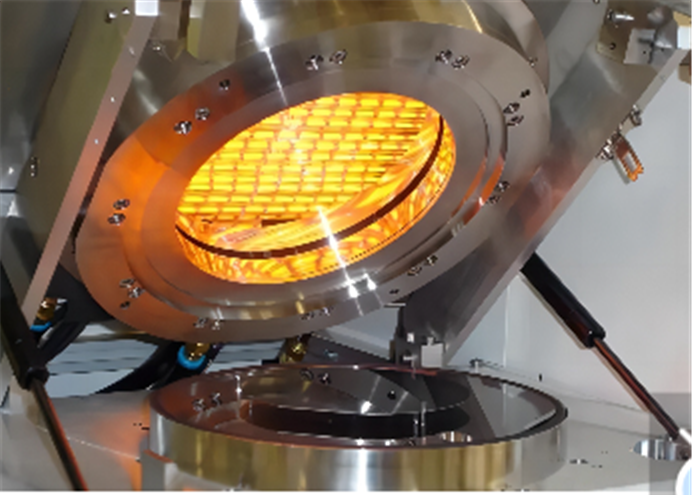
The semiconductor world is pushing hard toward “green” and lead-free standards. For a long time, the go-to move was using convection ovens—basically big boxes that heat up massive amounts of air to dry wafers or cure adhesives. But honestly? It’s a waste. That’s why we use Short-Wave Infrared (SWIR). Instead of relying on hot air, we use electromagnetic radiation. It sounds technical, but the reality is much simpler. Stop heating the room, start heating the part. Think about a standard oven. You have to heat the walls, the air, and the racks before your part even feels a thing. It’s slow and expensive. Infrared just skips all that. The photons hit the substrate directly, making the molecules vibrate and create heat instantly. It cuts your energy footprint way down because you aren’t paying to heat a giant metal box; you’re only paying for the heat the part actually needs. The struggle with lead-free materials Here’s the tricky part: lead-free solders and adhesives are a bit more demanding. They need higher temperatures and a much tighter ramp-up window than the old leaded stuff. It’s a balancing act. Go too high, and you warp the substrate. Go too low, and you end up with cold joints. Neither is a good day at the office. We handle this by tuning the wavelength. Short-wave IR digs deeper into the material. This means the bottom of the component cures at the same speed as the top. You don’t get that annoying “skin effect” where the surface looks dry, but the core is still wet. The catch (because there’s always one) Now, high-intensity IR lamps pack a serious punch. You can get a part up to temperature in seconds. But that kind of heat density puts a lot of stress on your gear. If your chassis isn’t built to handle that radiant bleed, you’re going to fry your sensors or warp the frame of the machine itself. You can’t just plug it in and forget it. You need solid heat shielding and forced-air cooling for the lamp housings to keep everything stable. At the end of the day, switching to IR isn’t just about checking a “green” box for compliance. It’s about slashing your cycle times and hitting those narrow thermal windows that lead-free materials demand.