Why we put our bathroom heaters through “the torture chamber”
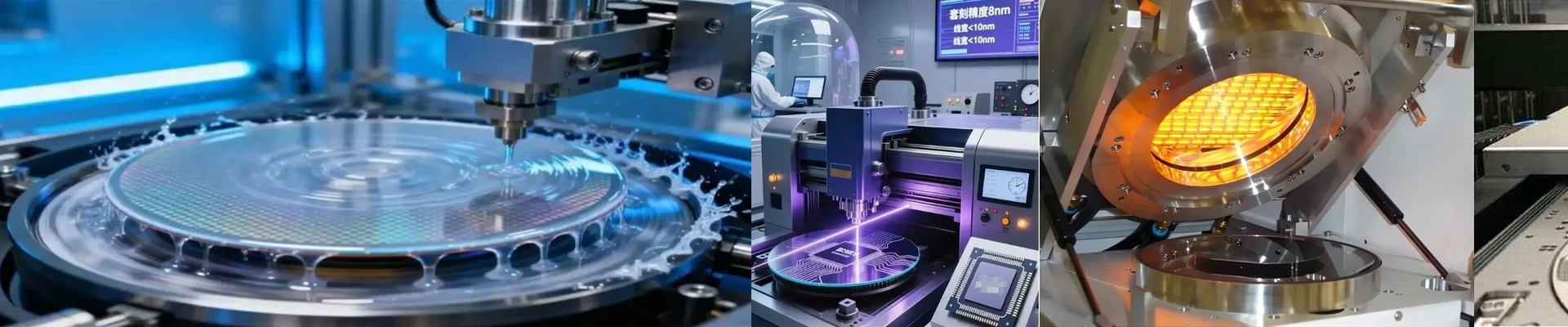
If you’ve ever put an infrared heater in a bathroom or on a patio, you know the deal. It’s a brutal environment. One minute it’s freezing, the next it’s a thick cloud of steam and condensation. Most companies just check a box for an IP rating and call it a day. We don’t. We take every batch and put them through “damp-heat aging tests.” Basically, we try to break them before they ever reach your house.
The problem with steam
Here is the thing about water vapor: it’s sneaky. It’s much smaller than a liquid drop, meaning it can slip through seals that look perfectly airtight to the naked eye. Then there’s the heat. These lamps jump from cold to over 500°C in a few seconds. That causes the materials to expand and shrink rapidly. It’s like the heater is “breathing,” sucking moist air right into the internal housing. If the seal on the quartz tube or the wiring isn’t exactly right, that moisture hits the electrical contacts. Not good. That’s why we lock these units in high-humidity chambers for hundreds of hours. We’re hunting for rust or electrical leaks. If a lamp dies after 50 hours in our chamber, we know it would’ve burned out in your bathroom within a month. We’d rather it fail here than at your place.
Fighting the “Thermal Shock”
The heating element really takes a beating. Those wild temperature swings make different materials move at different speeds. This is usually where “waterproof” heaters fall apart. The seal between the glass and the metal cap just… cracks. We use these aging tests to force those cracks to happen. We keep a close eye on the filament’s resistance. If we see a spike, it means the connection points are corroding. We use special coatings on the quartz to keep the surface clean, but the real fight is always at the connection point.
The balancing act
You might think, “Just seal the whole thing in plastic!” But there’s a catch. Tight seals keep water out, but they also trap heat. If we seal the housing too tight, the internal electronics basically cook themselves. It’s a balancing act. We need it waterproof, but we also need it to breathe enough so the driver stays cool. We use our aging data to find that sweet spot—making sure the unit survives the steam without melting from the inside out.