Infrared Heating vs. Hot Air Circulation in Semiconductor Cleanrooms
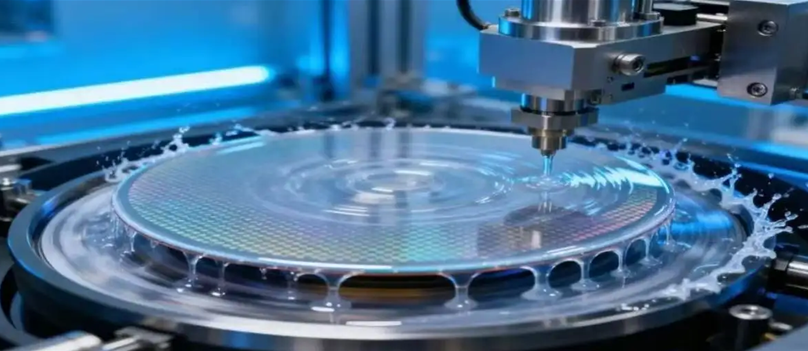
When you spec out a cleanroom oven for semiconductor deep processing, the choice between forced air convection and infrared (IR) heating comes down to how you move energy. Hot air relies on the boundary layer of the substrate. It heats the air, which then heats the part. This is slow. IR heating skips the middleman. It transfers energy via electromagnetic radiation directly to the workpiece.
The Physics of Time Cost
In semiconductor fabrication, “time cost” is your biggest bottleneck. Forced air ovens require a long warm-up period to saturate the chamber volume. You waste energy heating the walls and the air. IR heaters reach operating temperature in seconds. We see this drastically cut the ramp-up time. Because the heat is targeted, the thermal inertia of the entire oven doesn’t dictate your cycle time.
Precision and Contamination Control
Cleanrooms hate turbulence. Forced air systems require high-velocity fans to prevent cold spots. These fans stir up particulates and create airflow instabilities. IR heaters are stationary. No fans means no forced particle migration. You get a stable thermal environment without the risk of blowing contaminants onto a wafer.
Engineering Trade-offs
IR isn’t a magic bullet. It is a line-of-sight technology. If your parts are stacked or have complex geometries with deep recesses, you’ll get shadowing. You’ll see cold spots where the radiation can’t reach. You have to wire it up with a multi-zone controller or use reflectors to bounce the energy into those dead zones. Also, the high heat density means your substrate can overshoot its target temperature if your PID loop isn’t tuned correctly. You need fast-response thermocouples to keep the process from burning out the material.