Why IR Curing is the Way to Go for Lead-Free Chips
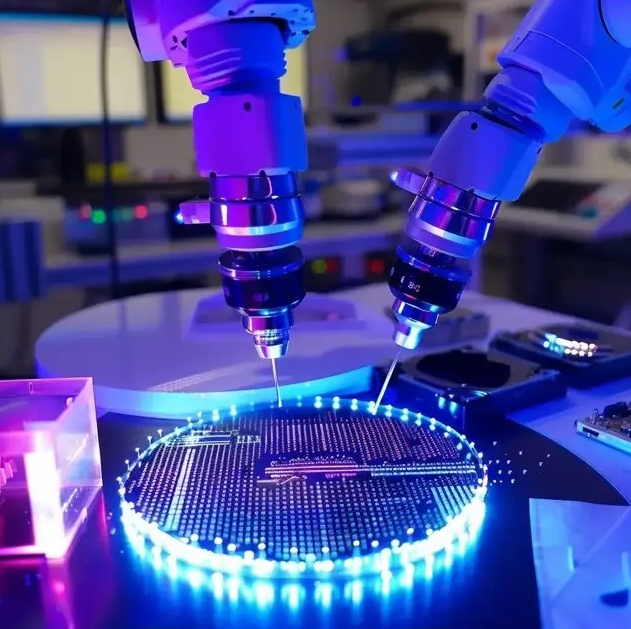
Let’s be honest: convection ovens are starting to feel like old tech. Most of us are moving toward infrared (IR) curing, and for a good reason. Instead of wasting a ton of energy heating up a giant metal box, IR goes straight for the substrate. It’s cleaner, too. Since you aren’t swirling hot air around the whole chamber, you don’t have to worry about random dust particles landing on your wafers.
The Magic of IR Drying
Here is how it actually works. IR uses short-wave radiation to get the molecules in your coating or resist moving. It’s fast. Like, “seconds instead of hours” fast. Because the heat is so targeted, you can ditch those chemical solvents that used to be necessary for heat distribution in the old lead-based days. That’s why if you’re trying to hit those “green” or lead-free factory specs, IR is pretty much your only real option.
The Wiring Headache (and why Teflon wins)
Now, here is the tricky part. These IR heaters getinsanely hot. If you try to use standard PVC or silicone wiring, it’s going to melt. Or worse, it’ll “outgas,” releasing fumes that ruin your cleanroom. That’s why we stick with Teflon (PTFE) coated wire. It can take the heat up to 260°C without breaking a sweat or putting toxic smoke into the air. I’ve seen what happens with low-grade insulation—the wires just burn out right at the termination points. Teflon keeps everything humming along, even when you’re pushing the heater to max wattage.
The Trade-offs
Nothing is perfect, though. IR is quick, but it creates a sharp heat spike. If your substrate is too thin, your wafer might warp. You’ve got to find that sweet spot between how intense the lamp is and how fast the conveyor is moving. And a quick tip on the wiring: while Teflon is a lifesaver for heat, it’s a bit stiffer than silicone. Make sure you leave some slack in your cable tracks. If you pull it too tight, the wires will fatigue and snap during routine maintenance. Just give them a little room to breathe.