
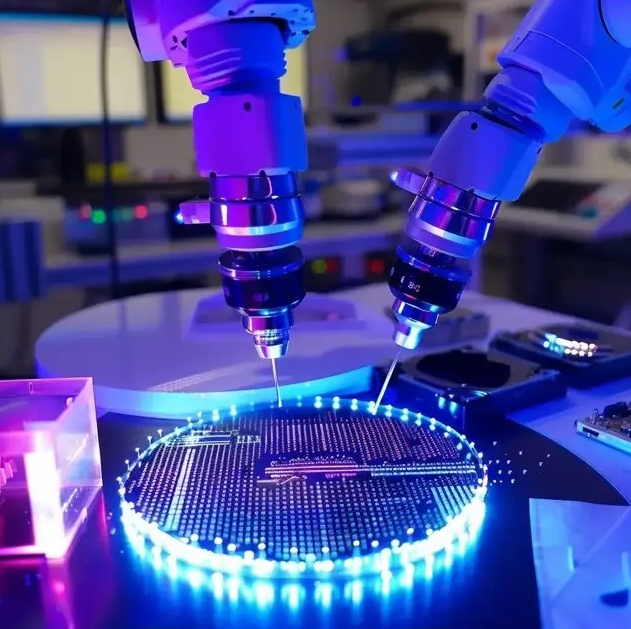
Stop Heating Your Walls (And Start Heating Your Wafers)
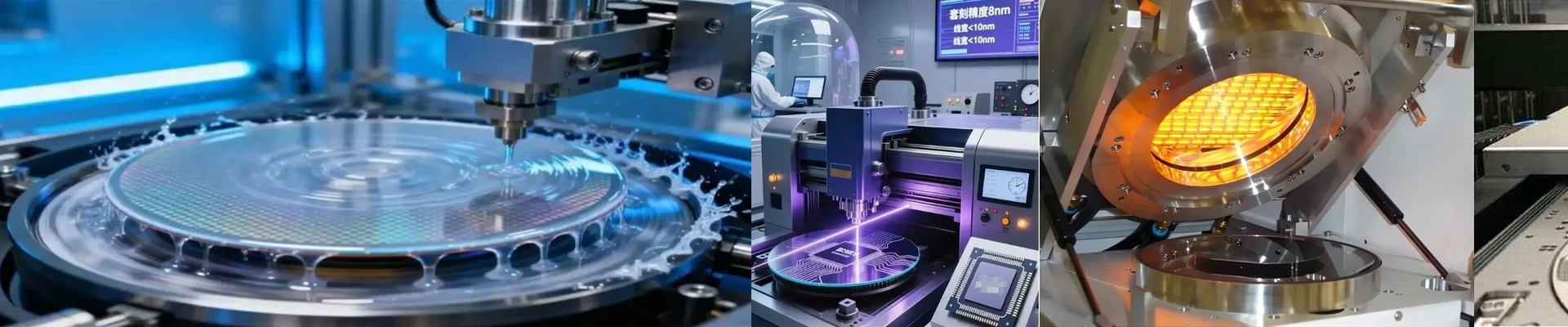
Let’s be honest: in a semiconductor fab, uncontrolled heat is a nightmare. If you’re using old-school convection or those omnidirectional heaters, you’ve probably noticed the problem. The energy doesn’t just hit the wafer—it floods the entire chamber. You end up with inner walls that are scorching hot. It’s a waste of power, and it’s a genuine safety risk for anyone working near the machine. Why pay to heat up a big hunk of steel when you only care about the silicon? The trick is directional IR. Instead of letting heat spray in every direction like a lightbulb, we use internal reflectors to push that energy in one specific direction. Think of it like switching from a lamp that lights up the whole room to a flashlight that hits exactly what you’re looking at. This kills the “oven effect.” Because the beam is tight, the IR waves don’t bounce around and soak into the chamber walls. You can actually touch the exterior of the machine and find it’s cool, even while the drying zone is cranking out the high heat needed to strip moisture off the wafers. But look, it’s not a magic wand. There are a few things you have to get right. Precision is everything here. If your lamp is off by just a few degrees, you’re not hitting the wafer—you’re hitting the housing. You can’t just “wing it.” You need a rock-solid mounting bracket to keep that beam locked in place. There’s also the heat density issue. When you concentrate all that energy, the lamp filament runs a lot hotter. You’ve got to make sure your cooling fans are up to the task. If the lamp head doesn’t get enough air, the quartz envelope can crack, and then you’ve got a real problem on your hands. Still, the payoff is worth it. Your energy bills look better, sure. But the real win is the peace of mind. No more worrying about operators getting burned during maintenance or while loading wafers. You put the heat exactly where it belongs, and nowhere else.