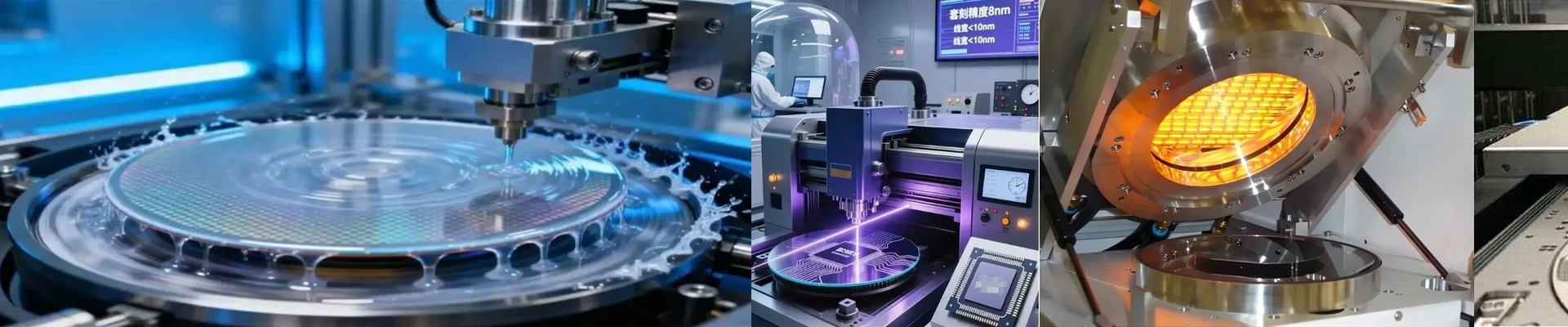
Stop Wafer Contamination Before it Starts
Let’s be honest: a burst infrared lamp in a high-load semiconductor line is a total nightmare. It’s not just about the heater stopping. When that quartz tube goes, it basically rains glass shards and chemical gunk all over your wafer surface. One pop, and your entire batch is trash. We’ve spent a lot of time figuring out how to stop that from happening in the first place.
Dealing with the Heat and Pressure
Most of the time, these lamps burst because the heat isn’t spread evenly, or the internal pressure just spikes too fast. To fix this, we use high-purity fused quartz. It handles rapid heating and cooling cycles without cracking under the pressure. We also spend a lot of time obsessing over the wall thickness. It’s a balancing act. Too thin? It bursts. Too thick? You’re wasting energy. We find that sweet spot where the tube is tough but still lets the heat through.
Adding a Safety Net
Even with the best quartz, things can go wrong. That’s why we add protective sleeves and coatings. Think of it as a containment shield. If a lamp happens to shatter, the sleeve catches the debris before it ever touches your wafer. And here’s a tip: we stay far away from adhesives that off-gas when they get hot. Those fumes might seem harmless, but they leave a film on the silicon that ruins everything.
Getting the Power Right
Your heat density comes down to voltage and wattage. We position the filaments carefully so you don’t get “hot spots.” Those spots weaken the quartz over time, which is usually where the crack starts. You also have to make sure your power supply actually matches the lamp’s impedance. If the voltage is off, the lamp wears out faster. It’s a shortcut to a blowout. One last thing—if you’re pushing for maximum heat, your housing is going to feel it. Make sure your cooling system can handle the rise in temperature, or you’ll end up with a warped heater frame. Not a great look.