



Stop the Shards: Keeping Your Wafers Safe from Heater Blowouts
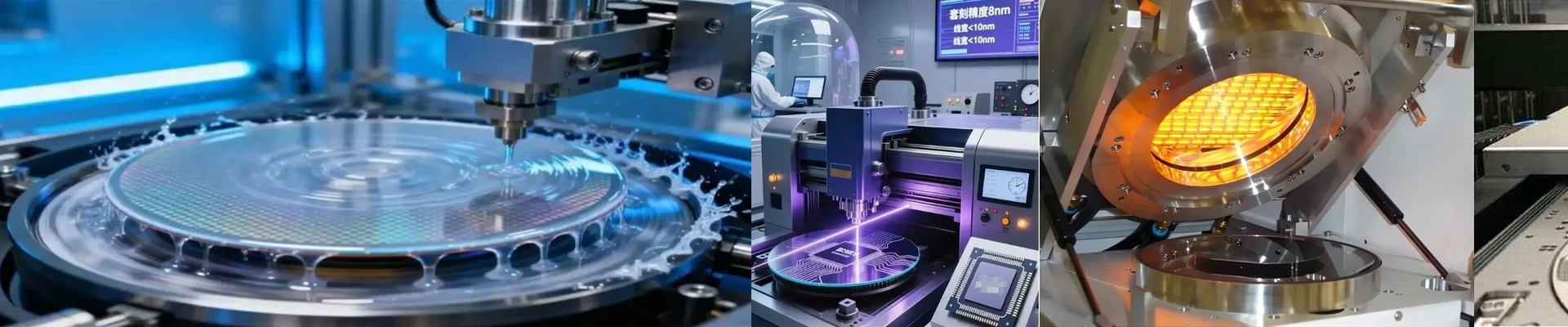
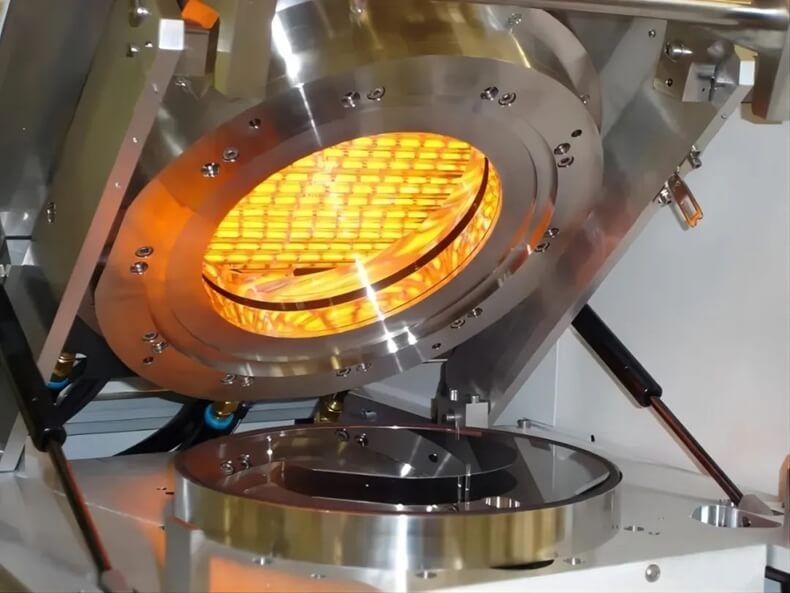
In a high-volume semiconductor fab, a shattered infrared lamp is a nightmare. It’s not just about the downtime or the annoying cleanup. It’s the fallout. When a quartz tube pops over a silicon wafer, you’ve got glass shards and halogen gas raining down on your work. One pop, and your entire batch is trash. That’s why we built our clean room heaters to kill that failure chain before it even gets a chance to start. Dealing with the Heat Most lamps give out because of hot spots or the constant stress of heating up and cooling down. To fight that, we use high-purity, heavy-wall fused quartz. It can take the punch of high-wattage operation without cracking under the pressure. But we didn’t stop there. We added a protective containment sleeve. Think of it as an insurance policy. If the main heating element does fail, the sleeve catches the debris. It keeps the glass where it belongs—inside the heater—and off your wafers. The Connection Problem Here’s something people often overlook: the terminals. Arcing at the ends of the tube is a silent killer. If your connections are loose, you get these nasty heat spikes at the end-caps. That stresses the quartz, and eventually, it snaps. We use precision-machined electrodes and locking connectors to make sure everything stays tight. Just a heads-up, though—don’t try to overclock these. If you push the wattage past the limit, you’re going to cook the seals. Keep your power supply tuned to the lamp’s resistance, and you’ll be fine. The Honest Trade-off Look, you need high-density heat to get those ramp-up times down. But that puts a massive load on the hardware. Our safety shielding makes the floor a lot safer, but it does come with a small catch: the sleeve absorbs a tiny bit of the infrared transmission. You might notice a slight dip in heat. It’s an easy fix, though. Just add a few seconds to your dwell time, and you’ve got the best of both worlds—speed and peace of mind.