Why IR Curing is the Smarter Way to Hit Green Standards
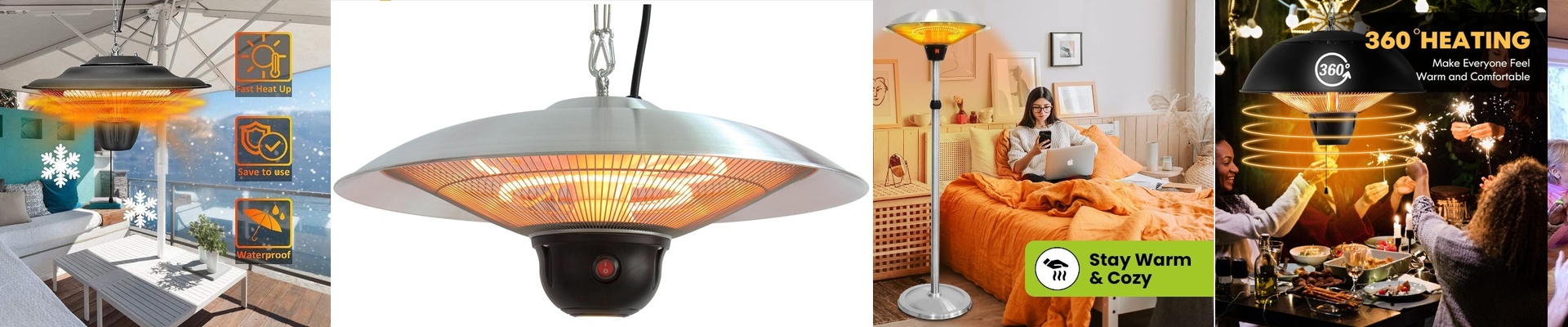
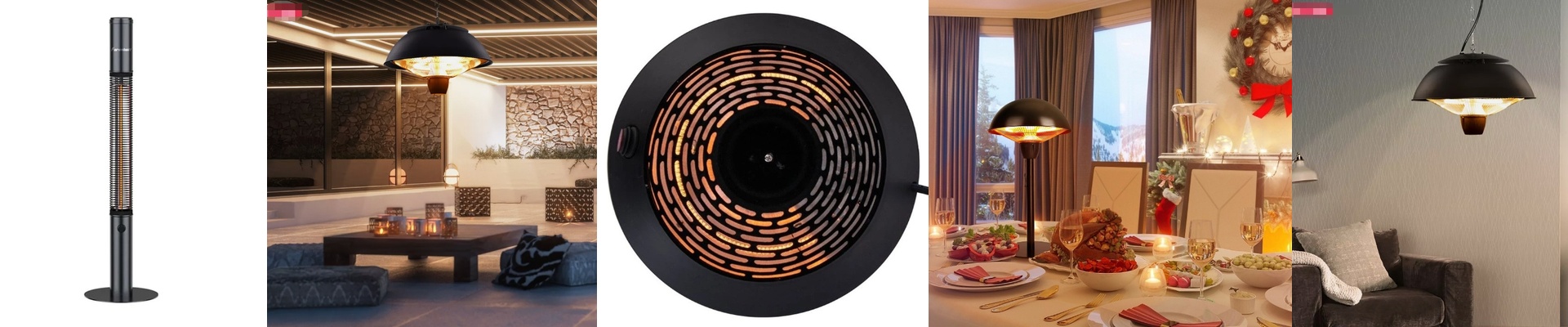
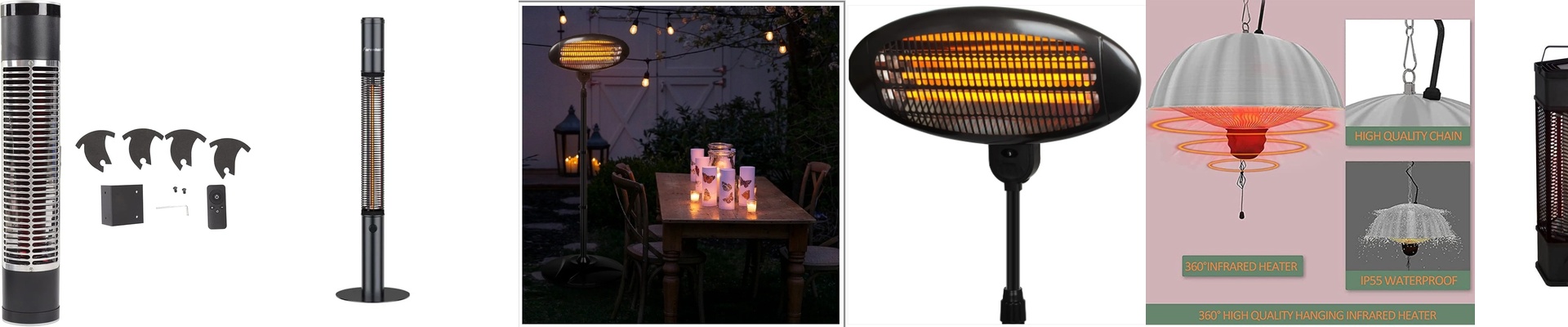
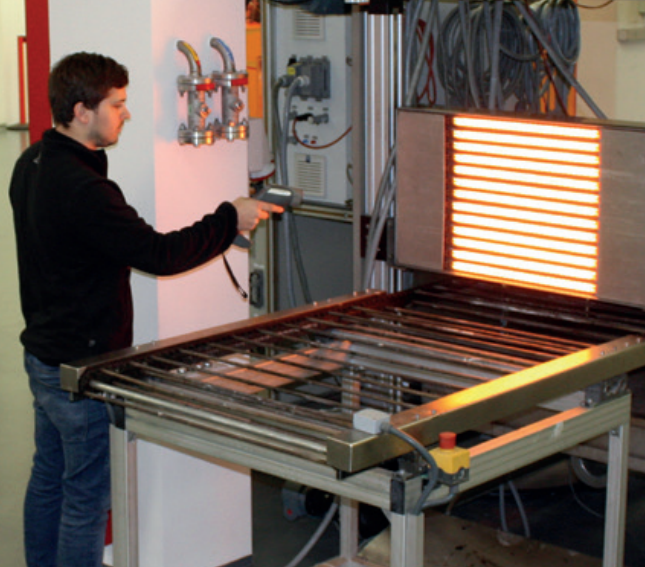
When you’re working in a glovebox, the last thing you want is a mess. You need heat, but you can’t have dust or particles dancing around your wafers. That’s why we lean on infrared (IR) heaters. Instead of trying to heat up the air, IR uses electromagnetic radiation. It’s a cleaner way to work. No forced air, no blowing particulates around—just clean, direct energy. The trick is in the physics. Most ovens just bake the whole room, which is a waste. IR is different. It targets the substrate itself. We tune the wavelength so the resins or solvents just soak up the energy. It feels more efficient because it is. You aren’t wasting kilowatts trying to heat up a cloud of inert gas; you’re putting the heat exactly where it belongs: on the part. Dealing with “Green” Standards Moving to lead-free soldering isn’t easy. It requires higher temperatures and much faster ramp rates. If you stick with old-school convection, you risk “thermal sagging” because the cycle takes forever. IR fixes that. It hits peak temperature almost instantly. Plus, there are no chemical catalysts or combustion leftovers to worry about. The whole system just stays clean. A few things to watch out for Now, it’s not all magic. High-density IR elements pack a serious punch. If your PID controllers or thermocouples aren’t dialed in, you’ll overshoot your target temperature. And a word of advice: check your shielding. If your glovebox doesn’t have a good way to sink the heat or reflect it, the chassis will soak up that radiation. Before you know it, you’re warping your seals and gaskets. The bottom line? We built these elements to be a simple drop-in replacement for your current lines. Switching from resistive air heaters to IR just makes sense. You cut your drying time, lower your power bill, and stop fighting with the atmosphere. It’s a simple shift in how you move energy, but it makes the whole process feel a lot smoother.