Stop Fighting Your Heat: A Better Way to Run Your Fab
If you’re planning a next-gen fab, the first thing you should do is look at how you’re heating things. Most of us are still clinging to legacy methods that just don’t cut it anymore. Lately, I’ve seen more engineers ditching the old ways for infrared (IR) systems. Why? Because they actually play nice with digital controls.
Heat That Actually Listens
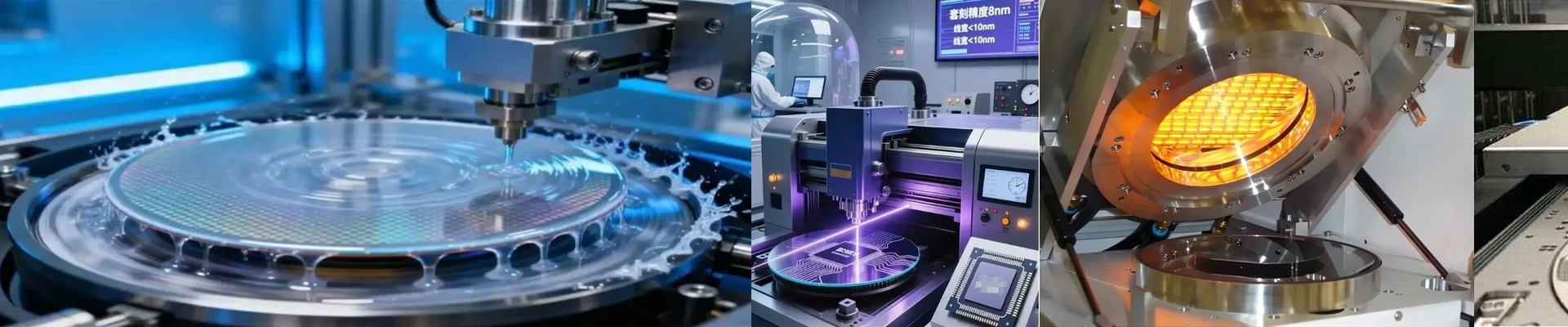
Here’s the thing about a digitized fab: you need heat that reacts now, not in ten minutes. IR is great because it’s radiant energy. It doesn’t waste time trying to heat up all the air in the room first. You just wire up your sensors and PID controllers, and you can tweak the power on the fly. It’s a much tighter thermal footprint. You stop wasting energy, and your ramp-up times get way faster. It just feels smoother.
Turning Heat Into Data
When you’re setting up IR lamps in a smart factory, you have to get picky about the specs. I always look at the power density per linear centimeter. With high-wattage arrays, you can hit specific temperature zones on a wafer or substrate without baking the entire chamber. Plus, since everything runs through the PLC, you can track exactly how much energy each unit uses. Suddenly, heat isn’t just a utility—it’s a data point you can actually use to optimize your line.
The Catch (Because There’s Always One)
Now, IR isn’t a magic wand. It has its quirks. The heat is so concentrated that it can really chew through your shielding if you aren’t careful. You’ve got to be honest about your reflectors and cooling fans. If you undersize your cooling, you’re looking at warped jigs or lamps that burn out way too soon. It’s a trade-off, but one that’s easy to manage if you plan for it.
Why Bother Switching?
The best part is the space. IR systems are lean. You can toss those massive heat exchangers and bulky pipes in the scrap heap. Most of the time, it’s a simple drop-in replacement for those old, clunky convection ovens. That clears up a ton of floor space. Now you’ve got room for another robot or a few more inspection stations. You get precise, controllable heat that actually fits into a modern, data-driven workflow. It just makes sense.