
Keeping Things Safe When IR Heating Meets Volatile Chemicals
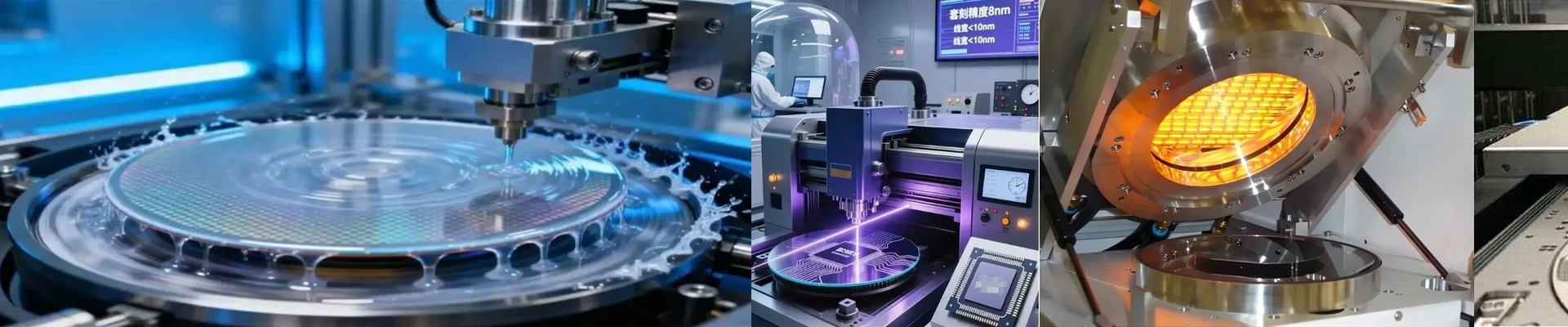
If you’re fabricating bio-sensors, you know the drill: you need precise IR curing or drying. But here’s the problem. Those steps usually happen right next to chemical cleaning agents. A lot of those solvents are flammable—or worse, explosive. In that kind of environment, a standard IR lamp isn’t just a tool; it’s a liability. That’s why we build our heating systems with a specific kind of “armor” to make sure the lamp never becomes a spark for something disastrous. Dealing with Vapors Think about a chemical wash. Solvent vapors don’t just stay put; they wander. If those fumes drift toward a hot quartz tube or an open electrical terminal, you’re looking at a potential flash fire. To stop that, we use sealed quartz envelopes and gaskets that can actually handle the chemicals. It creates a barrier. The hazardous gases stay out, and the halogen gas stays inside where it belongs. The Electrical Side of Things We’re obsessed with the connectors because arcing is a nightmare in a volatile room. We seal every single joint with high-temperature potting compounds. No “leakage” currents. No random sparks. We also keep the fittings low-profile. It makes the whole assembly smaller, which means it’s a lot easier for you to wipe down and maintain without fighting with bulky hardware. The Honest Trade-off Look, no seal lasts forever, and there’s a catch. The same protection that keeps your plant from blowing up does block a little bit of the heat. You lose a tiny percentage of that IR transmission through the protective layers compared to a bare lamp. It’s a fair trade for peace of mind, but it means you might need to bump up the wattage or move the lamp a bit closer to your substrate to hit your target temp. Keeping it Running We build these lamps to take a beating from corrosive fumes, but you still have to keep an eye on them. If you’re using aggressive solvents, make it a habit to check your seals every six months. A tiny crack means the lamp isn’t explosion-proof anymore. Wire it up right, keep an eye on your room temps, and the system will stay rock solid.