
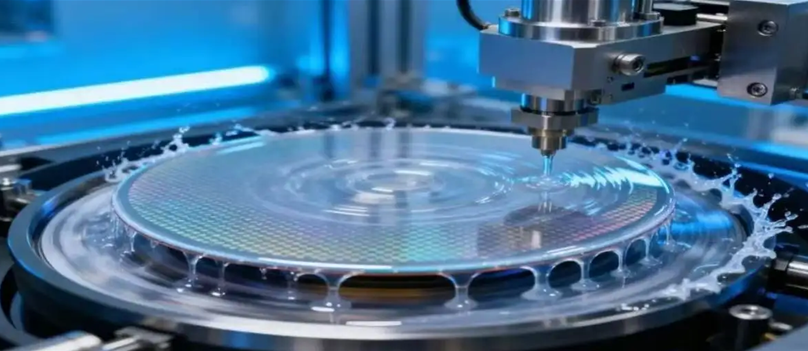
Stop Turning Your Rinse Chamber Into an Oven
Most infrared heaters are a bit chaotic. They throw heat in every single direction—a full 360 degrees. In a cramped semiconductor rinse chamber, that’s a recipe for trouble. When you’re blasting heat everywhere, the inner walls of your machine just soak it up. Before you know it, you’ve got scorched chassis panels and a machine that’s way too hot for any operator to touch safely. It’s a mess. We fix this with directional IR lamps. How it actually works Think of it as focusing a flashlight instead of using a bare lightbulb. These lamps use a reflective backing or a special coating to push the heat exactly where it needs to go: the workpiece. Instead of wasting power heating up the air or the machine frame, the energy hits the rinse target. You get the surface temperature you need on the wafer without turning the rest of the tool housing into a giant radiator. It’s just smarter. Dealing with the wet stuff Rinse stations are, by definition, wet. And water plus high-voltage heat usually equals a bad day. If moisture hits a hot quartz lamp or seeps into the terminals, the thing is going to pop. That’s why we seal our lamps tight. We use heavy-duty seals at the connection points to stop short circuits and keep the filaments from oxidizing. They’re built to handle high-humidity cycles without burning out. The catch (and how to handle it) Now, there is a trade-off. Because you’re concentrating the heat, it’s much more intense at the target. This saves your machine walls, but it means you can’t just “wing it” with the placement. If the lamp is too close, you’ll end up with hot spots on your part. You’ve got to be precise with your mounting brackets to keep that gap consistent. The good news? We designed these to be drop-in replacements for existing rinse modules. Just wire them up to a PID controller to keep the temperature steady. Your process stays hot, and your team stays safe. Simple as that.