Introduction
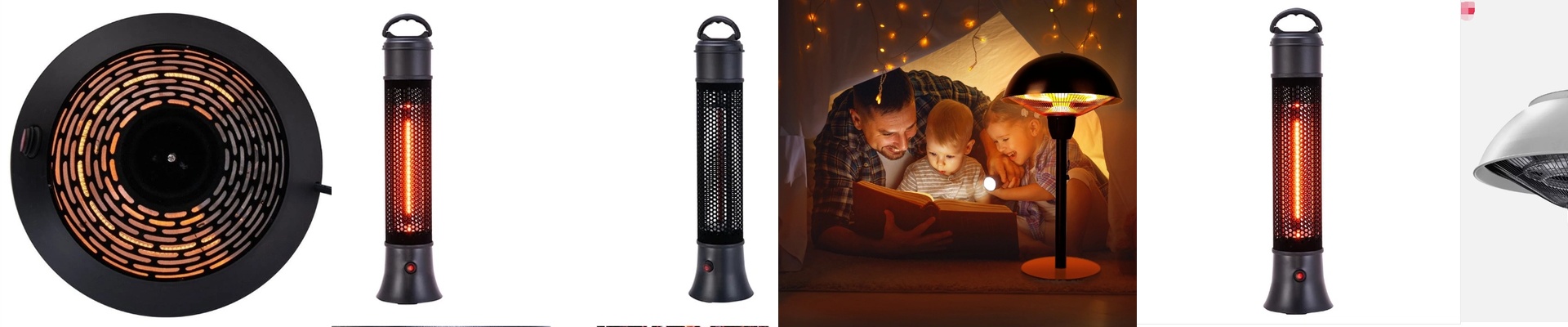
We built this waterproof infrared heater for folks who need heat, right now, in the places that get soaked or freezing. It isn’t about warming an entire room. It’s about giving you intense, pinpoint warmth exactly where you stand. Fast response. Reliable performance. That’s the point. It shines in places like chicken coops, outdoor workbenches, and industrial lines that get hit by wind, rain, and cold.
What’s Under the Hood
Plug it in, and it wakes up fast. We designed it to run on industrial power so the temperature shoots up quickly—no waiting around. The heart is a shortwave infrared halogen element that hits full output in seconds. Seriously, seconds. At 300mm long, it’s compact enough to fit into tight bays and crowded spaces. You don’t have to redesign the whole setup just to make room for it. And because it packs a lot of wattage into that small footprint, you get serious heat per inch—the kind that fights off cold drafts and keeps the temperature steady.
Materials and Build
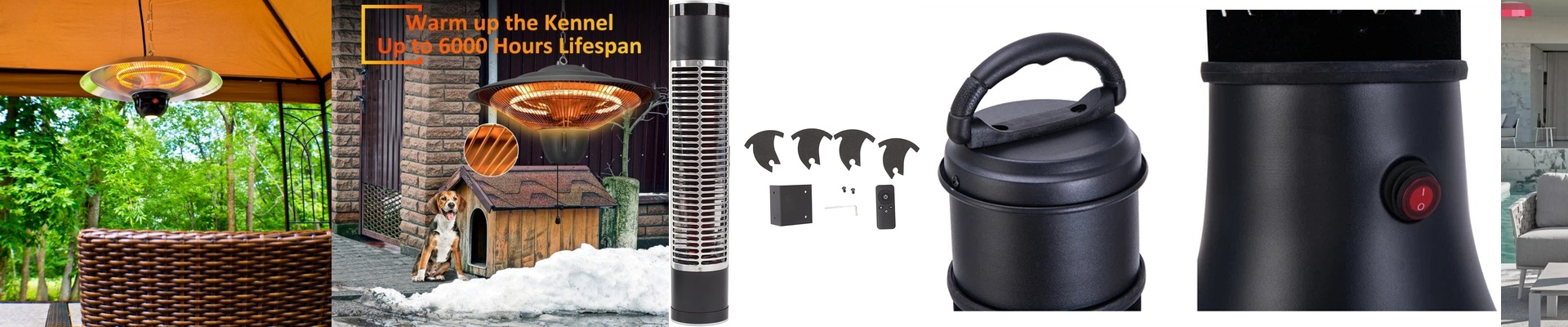
The quartz tube is coated to stand up to moisture, dust, and the constant push-and-pull of heating up and cooling down. The waterproof build keeps water out and shields the internal connections from corrosion. We chose an R7s connector because it locks in tight. It’s industrial-grade, built to handle vibration and all those maintenance cycles without getting loose or unreliable. The halogen element keeps the filament steady at high temps, so the heat stays consistent and the unit keeps going for the long haul.
Where It Shines
Hook it up, and you feel the difference immediately. It brings focused heat to spots where traditional convection heaters just throw in the towel. In chicken coops and outdoor shelters, the waterproof build and sealed connections mean fewer headaches from moisture. Less downtime. More uptime. For engineers, it comes down to three things: predictable heat, a lightning-fast response, and a rugged build that can take a beating. One note, though: this is concentrated heat. Give it proper clearance and enough ventilation to keep ambient heat from building up. That way you protect nearby materials and keep everything running safely.