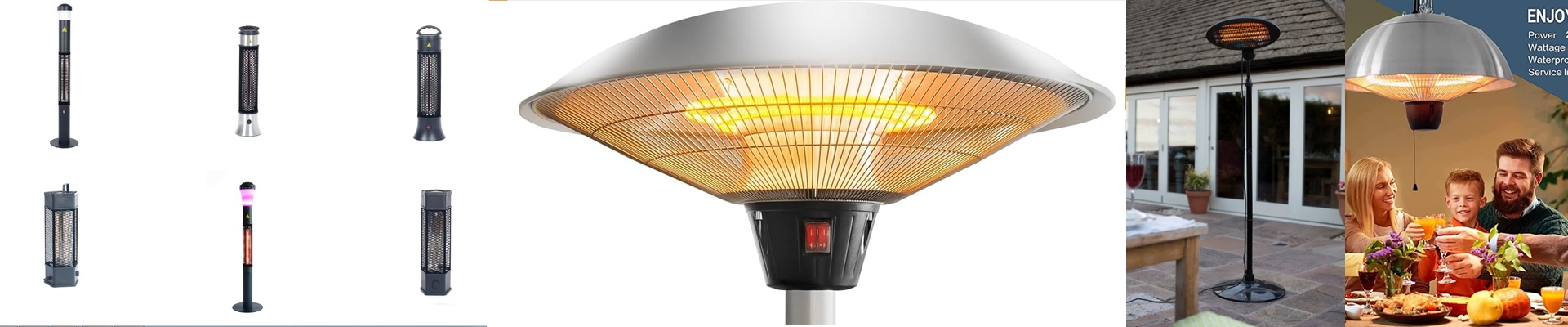
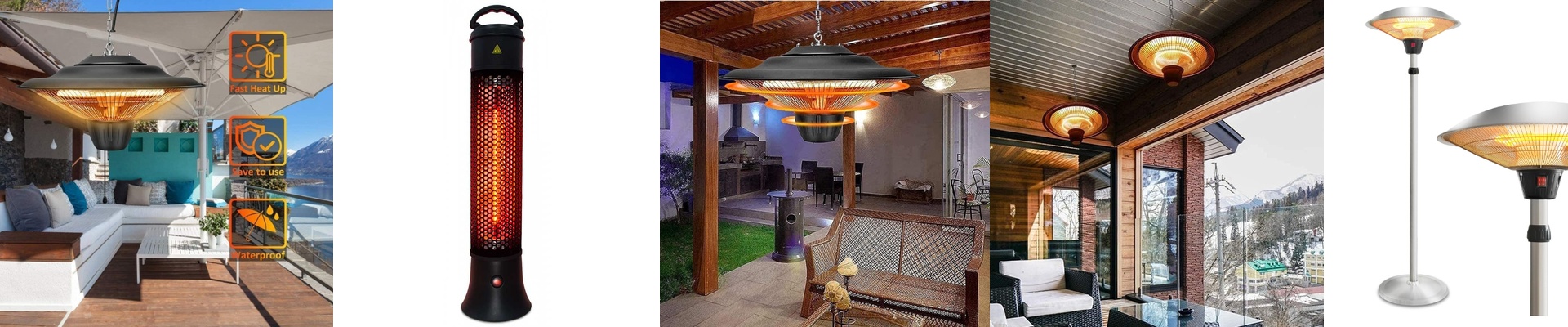
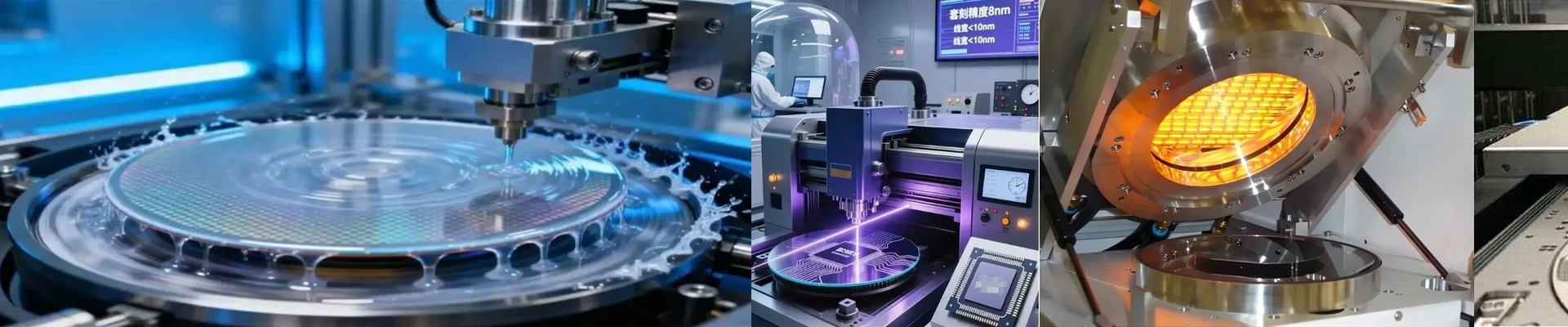
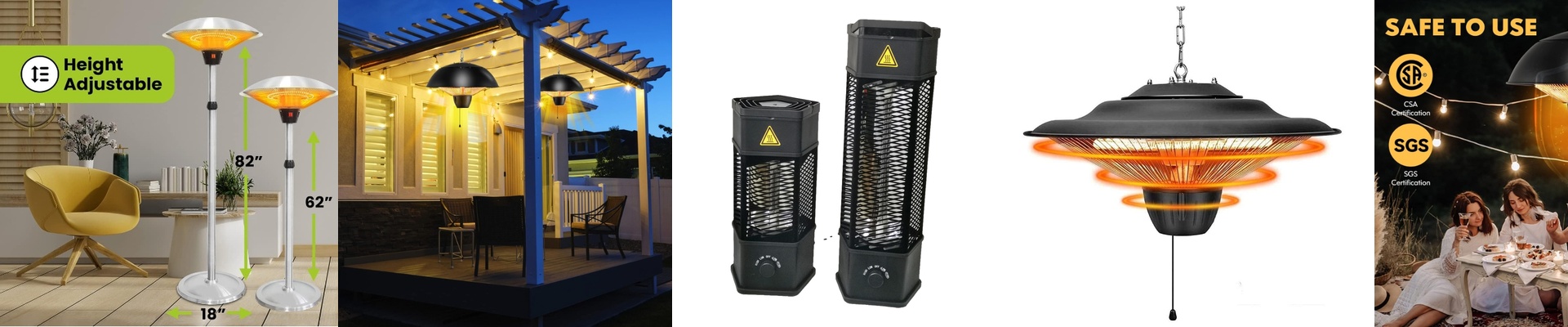
Why Most Outdoor Heaters Die Early (And How We Fix It)
If you’ve ever put a heater outside, you know the struggle. It’s a constant fight against the elements. Here is the problem: you’ve got a scorching hot element sitting in cold, damp air. That temperature gap creates condensation. It’s not just a little dew on the outside, either. That moisture creeps inside the housing and goes straight for the electrical contacts. And that’s usually where the trouble starts.
Keeping the Water Out
Most heaters fail because they aren’t actually built for the “outdoor” part of outdoor heating. Water leaks into the reflector or the wiring, and suddenly you’ve got short circuits or rusty terminals. We handle this by obsessing over the seals. We use heavy-duty gaskets and hydrophobic coatings—basically a shield that tells water to get lost. It keeps the guts of the machine bone-dry, even when it’s pouring rain or the humidity is thick enough to chew. Then there’s the fogging. You know that cloudy film that hits a glass tube when it cools down? It’s a pain. That fog actually blocks the heat from getting to you, making the heater work harder for less warmth. To stop that, we tweaked the airflow and added a special coating so droplets can’t stick to the glass. It stays clear. You stay warm.
The Balancing Act
Now, you can’t just seal a heater in a plastic bag. It needs to breathe, or the chassis will overheat and fry itself. So, we use baffled vents. Think of them like a maze—air can get in and out, but rain has a really hard time finding the way through. If you’re installing these near the ocean, you’ve got another enemy: salt spray. It eats metal for breakfast. While the internals are protected, the outside shell takes a beating. That’s why we use a high-grade powder coating. It keeps the unit looking clean instead of turning into a rusty eyesore.
What This Actually Means For You
At the end of the day, keeping moisture away from the terminals stops the dreaded “burn out.” When the system stays dry, the electricity flows steady. You won’t be dealing with erratic power surges or blowing fuses every time there’s a heavy storm. It just works. No constant tinkering, no frequent repairs. Just a warm patio and a heater that actually lasts.