Stop Waiting on Your Oven: Why Ozone-Free IR is the Way to Go
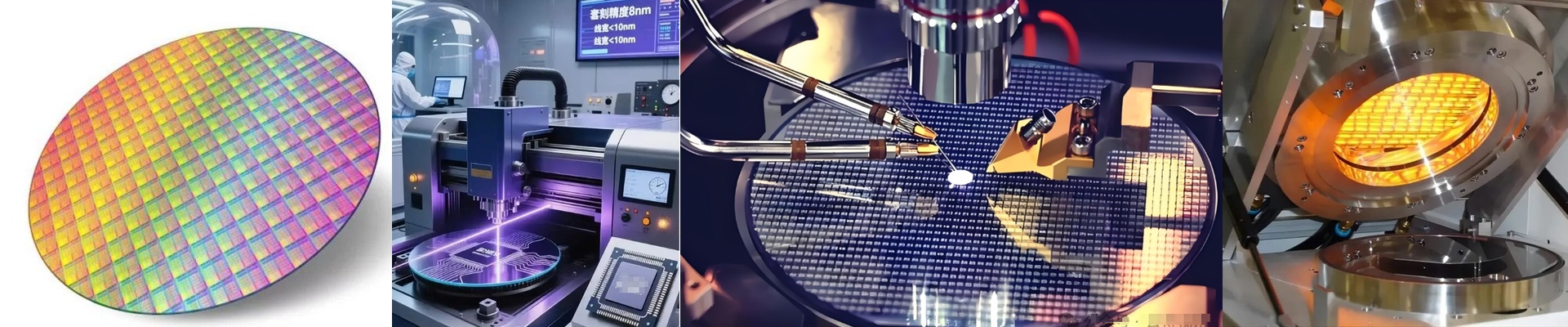
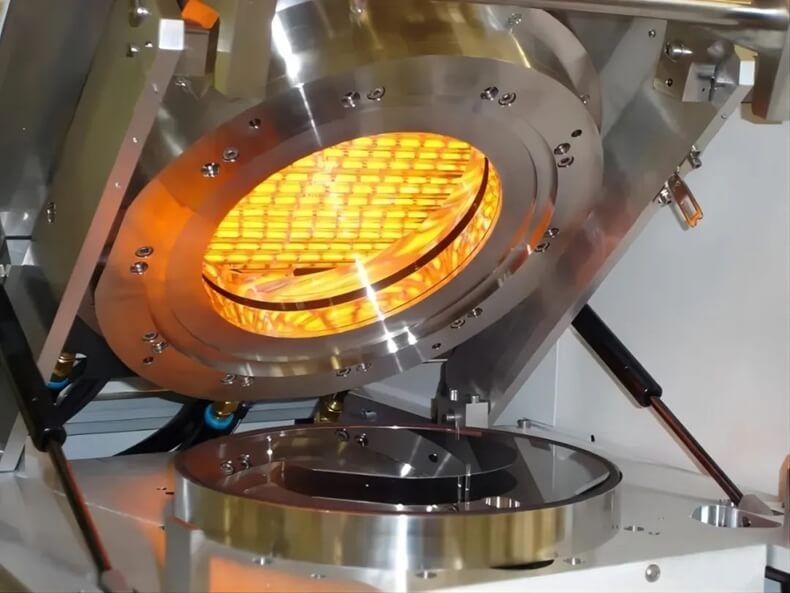
If you’re working in semiconductor processing, you know the pain of waiting. Specifically, waiting for a chamber to heat up. Most setups rely on forced air, which is basically just blowing hot air around. The problem? You have to heat up every single cubic inch of air in that box before your workpiece even starts to get warm. It’s slow. It’s tedious. And it kills your productivity. Then there’s infrared (IR). IR doesn’t mess around with the air. It sends energy straight to the substrate using electromagnetic radiation. It’s fast. Really fast. And that changes everything for your workflow.
Getting the Heat Where It Actually Matters
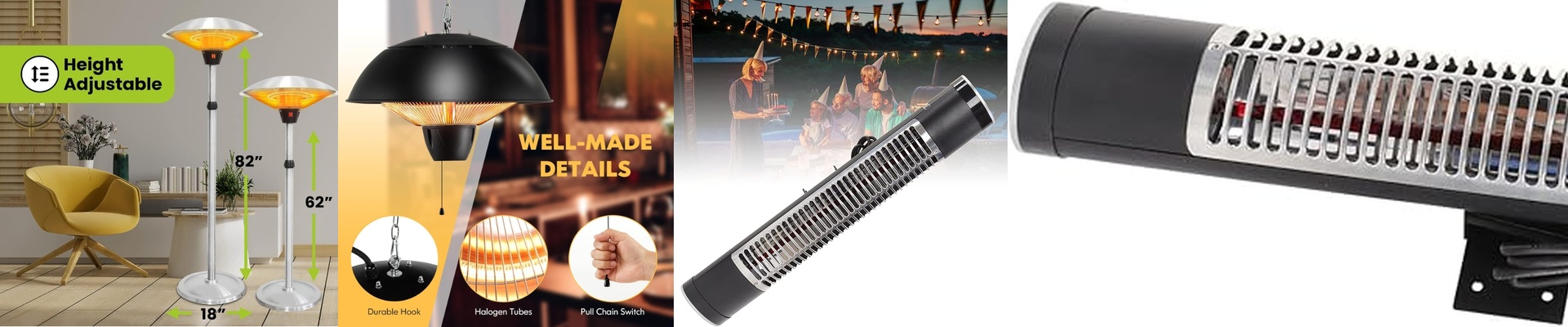
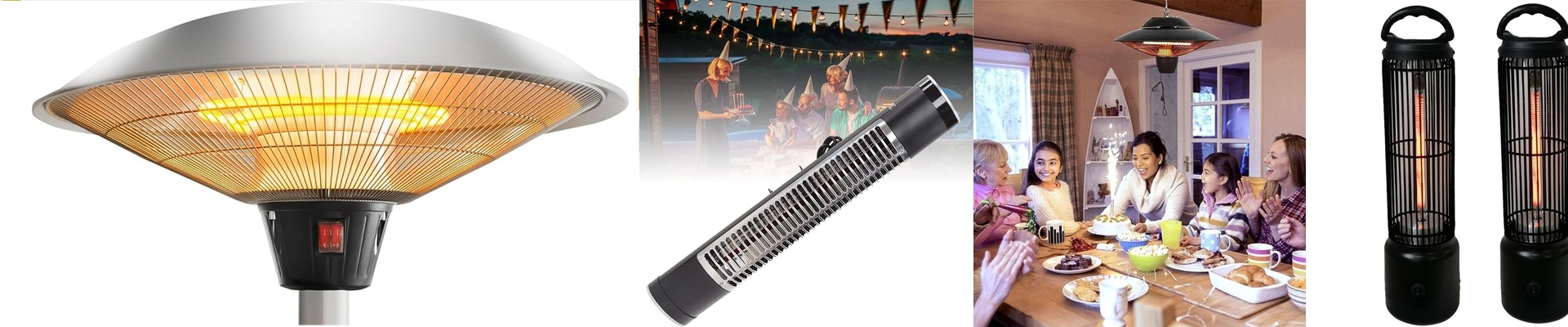
Air circulation always feels like it’s lagging. You’re dealing with uneven spots and a lot of wasted time. We use ozone-free IR lamps to just… skip that part. By picking wavelengths that your material actually likes to absorb, the heat-up happens almost instantly. You aren’t sitting around waiting for a blower to stabilize the room. You just move your parts through the line and keep things humming.
The “Ozone” Problem (And How We Fixed It)
Now, here’s the catch with standard short-wave IR: it can create ozone. This happens because of vacuum ultraviolet (VUV) radiation. In a cleanroom, ozone is a nightmare. It’s a contaminant that eats through your seals and ruins your surfaces. Nobody wants that. Our lamps use special quartz envelopes and filters to block those VUV wavelengths. You get all that intense heat density, but none of the chemical junk. Your process stays clean, and your equipment lasts longer.
The Honest Trade-offs
I won’t tell you it’s perfect for every single scenario. IR is directional. Unlike a convection oven that wraps heat around a part like a blanket, IR hits what it can “see.” If your part has weird shapes or deep pockets, you might run into some cold spots. That’s why we spend a lot of time on the lamp arrays and reflector angles. You have to get the geometry right to make sure everything is covered. Also, keep an eye on your cooling. IR packs a massive amount of energy into a tiny space. If your cooling systems aren’t up to the task, you’ll burn out your sockets. Just make sure your gear is rated for the load, and you’re golden.